Plate XV · Rhizome
Ginger
Zingiber officinale
A warming, pungent rhizome, one of the world's oldest traded spices and a traditional digestive herb.
- Type
- Rhizome
- Family
- Zingiberaceae
- Origin
- Maritime Southeast Asia; cultivated across the tropics
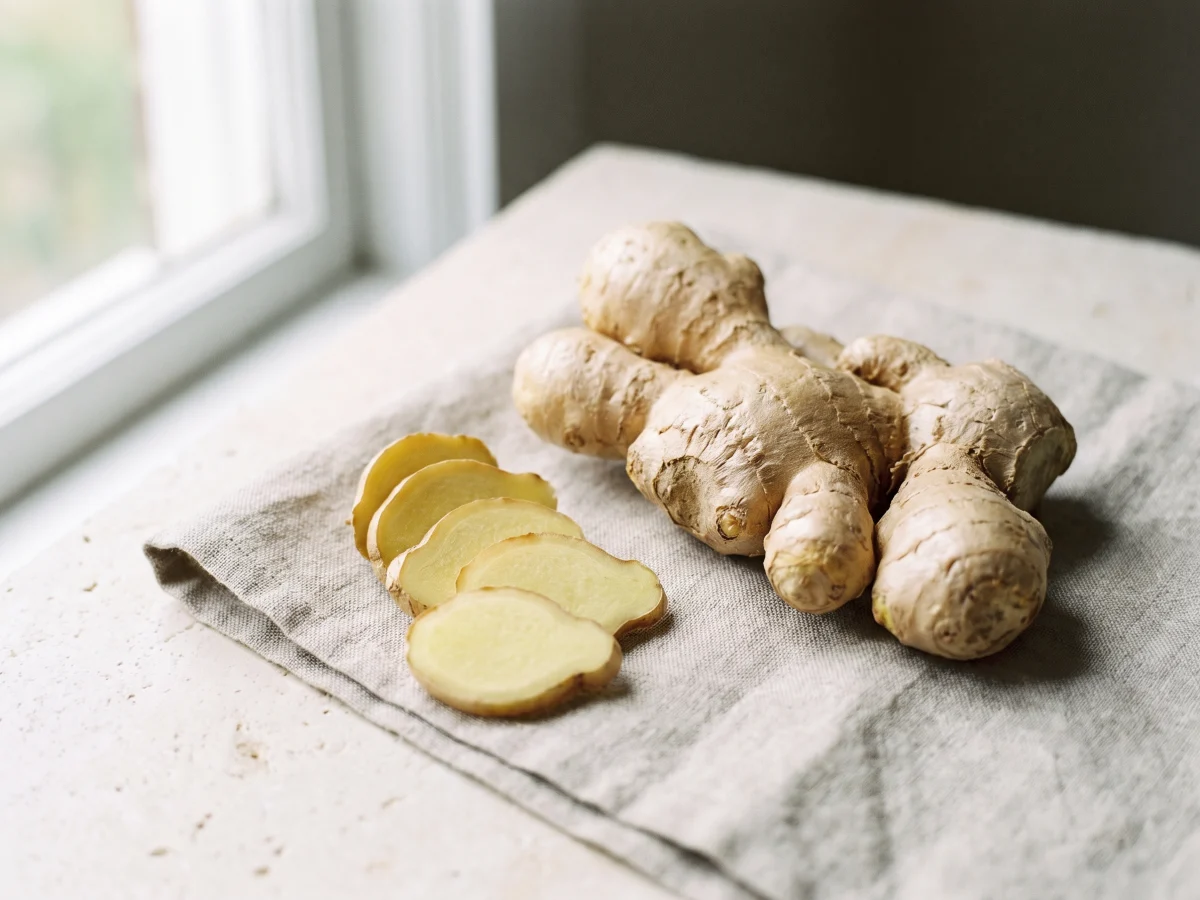
Ginger is a tropical plant grown for its knobbly rhizome, which has a pale yellow interior and a warm, peppery bite. It was first domesticated in Maritime Southeast Asia and spread along early trade routes to India, China, the Middle East and Europe.
How ginger is prepared
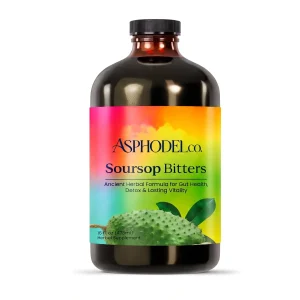
Ginger is used fresh, dried, powdered, candied and in liquid extracts. In ASPHODEL Soursop Bitters, it brings warmth and spice to a formula led by soursop.
Tradition, research, and what is established
We keep these three things separate, because they are not the same.
Traditional use
Ginger appears in traditional Chinese, Ayurvedic and European herbal practice, most often as a warming herb for the stomach and digestion. It is also a staple of Caribbean drinks and bitters.
Preliminary research
Ginger's pungency comes from compounds called gingerols and shogaols. It has been studied for digestive comfort and nausea, with mixed but encouraging results in some areas.
Established
Ginger is a common food and spice. In larger supplemental amounts it may interact with blood thinners, so check with a healthcare professional if you take medication.
Reading a supplement label
On a supplement label, look for three things: the scientific name (Zingiber officinale), the part used (typically the rhizome), and the amount per serving listed in the Supplement Facts panel. Those details, taken from the supplier's documentation, tell you more about a product than any marketing claim.
Ginger in the ASPHODEL collection
In the ASPHODEL collection, you will find this ingredient in ASPHODEL Soursop Bitters. Each product page lists its ingredients and label details from verified supplier documentation, and the Botanical Journal explores the history and research behind the plants we work with.
Further reading on ginger
- What Are Herbal Bitters? History, Tradition and How They're Used
- Ginger and Turmeric: Two Warming Roots From the Same Family
Botanical reference: Zingiber officinale on Wikipedia
This page is educational and describes the history and characteristics of a botanical. It is not medical advice and does not describe the effects of any ASPHODEL product.
Find it in
Products with Ginger
-
Traditional Botanicals
Soursop Bitters
Liquid herbal bitters: soursop, senna, sea moss, turmeric & ginger
$39.99 / Month Add to cart