Herb
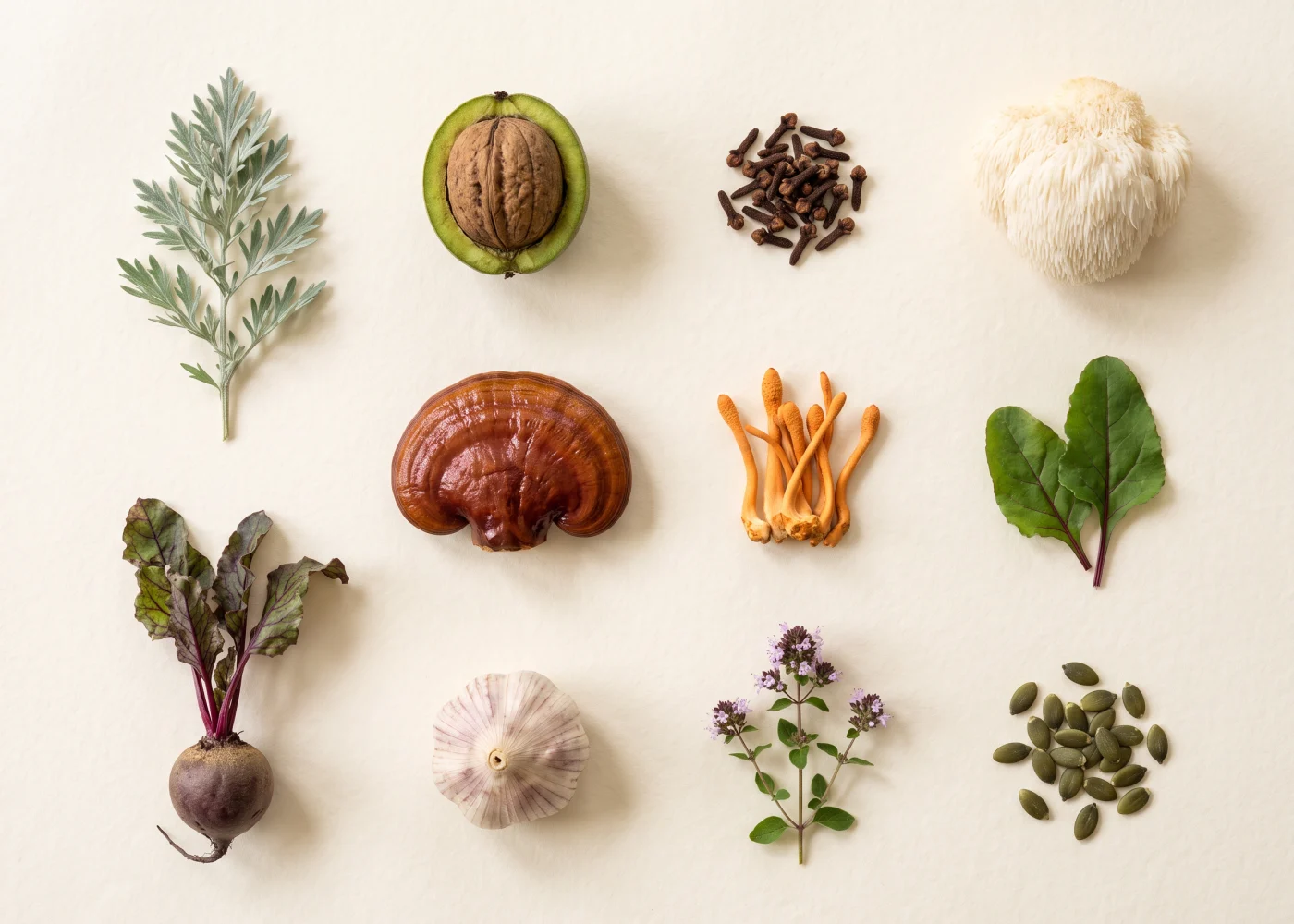
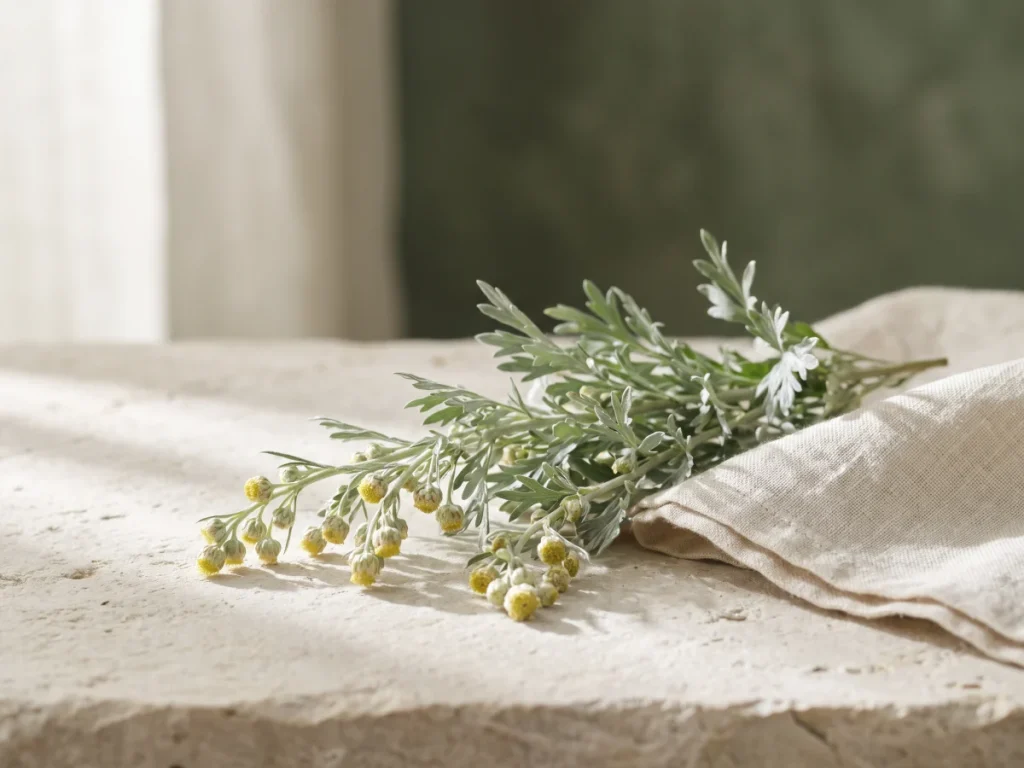
Wormwood
Artemisia absinthium
A silvery, aromatic herb famous for its intense bitterness and its long place in European herbal and culinary history.
Learn More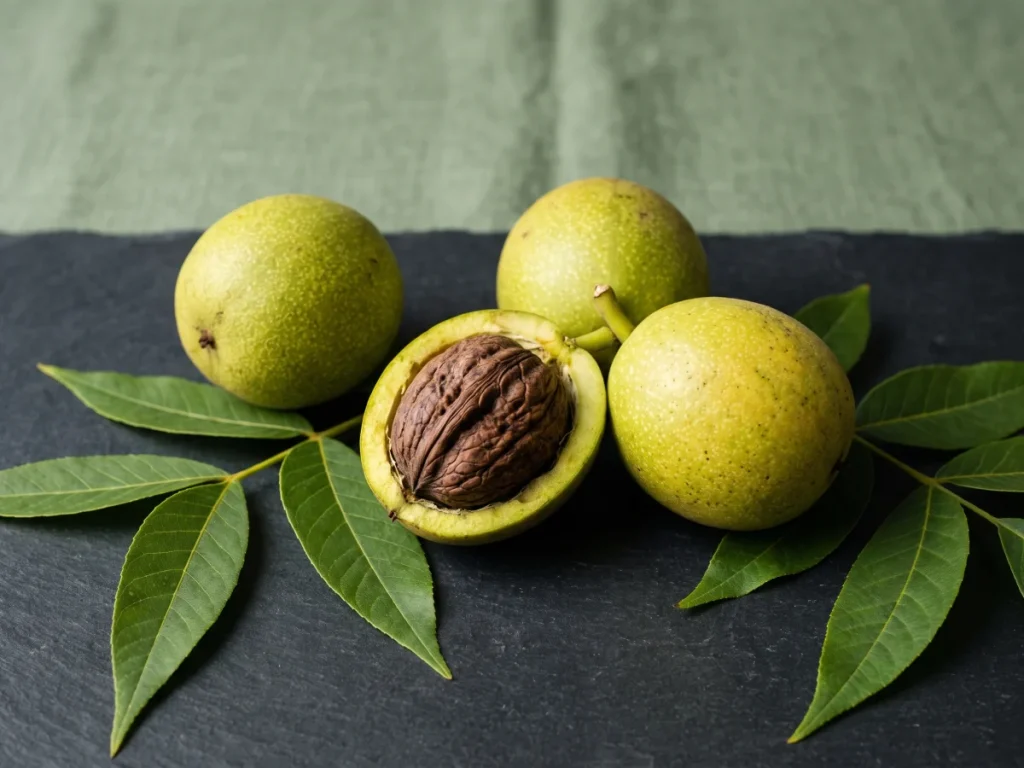
Hull
Black Walnut
Juglans nigra
The green outer hull of a native North American hardwood, rich in tannins and historically prized as a natural dye.
Learn More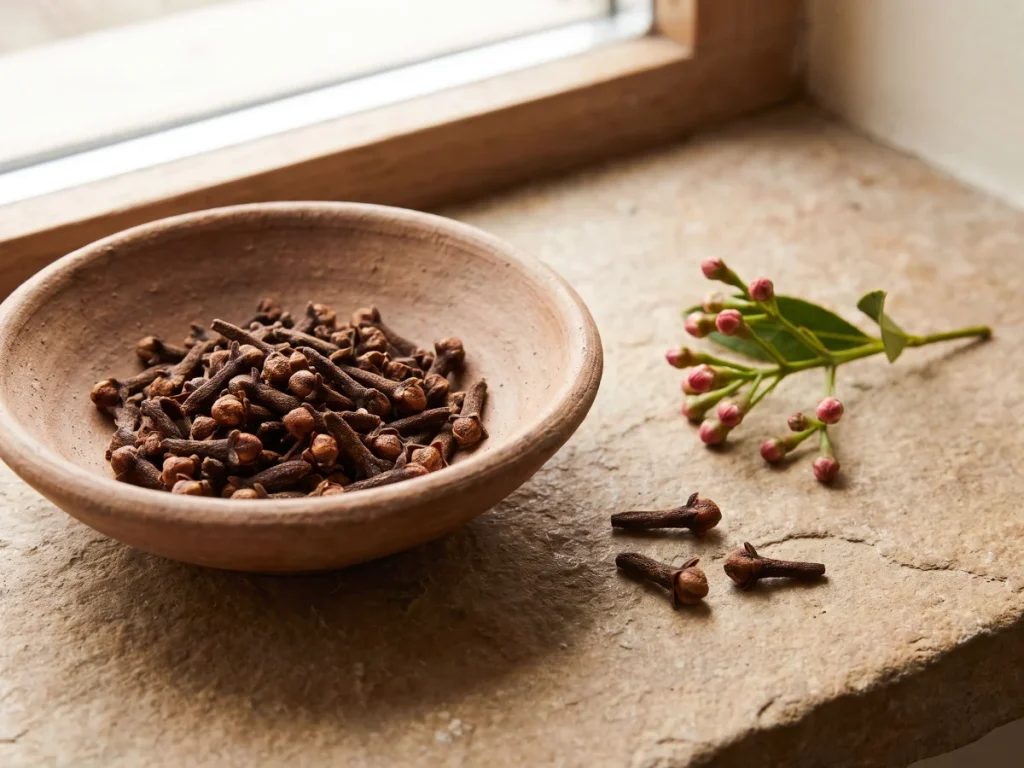
Flower bud
Clove
Syzygium aromaticum
The dried flower bud of an evergreen tree from the Maluku Islands, and one of the most valuable spices in history.
Learn More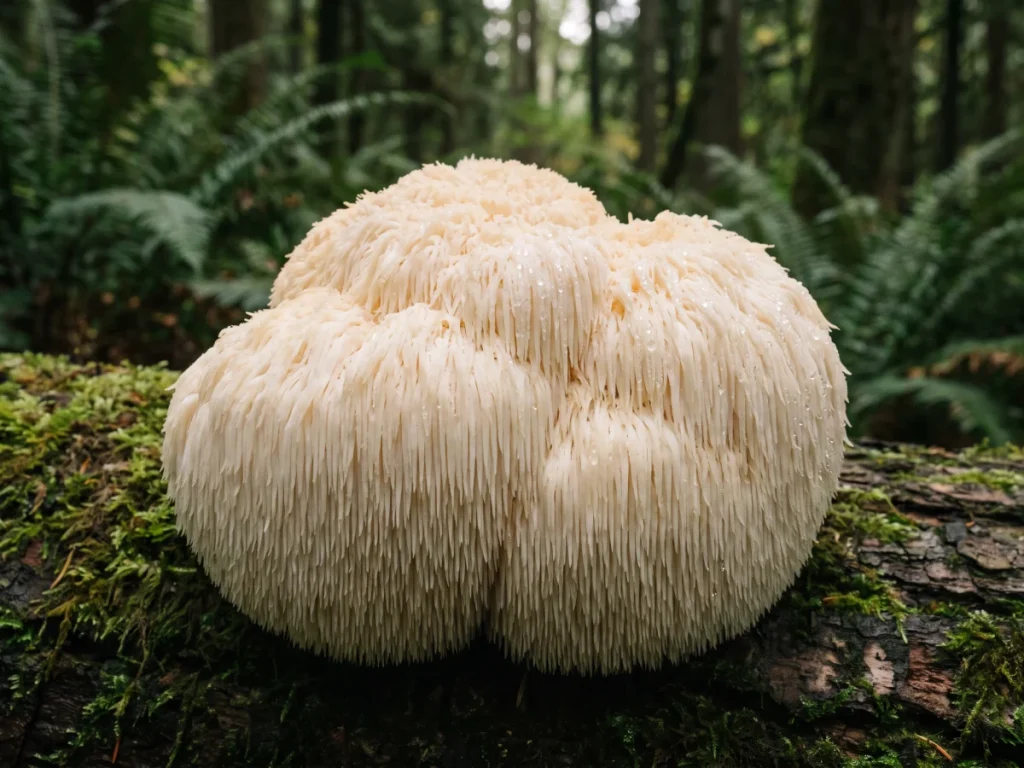
Mushroom
Lion’s Mane
Hericium erinaceus
A striking tooth fungus that grows as a cascade of soft white spines, enjoyed in East Asian cooking and widely studied today.
Learn More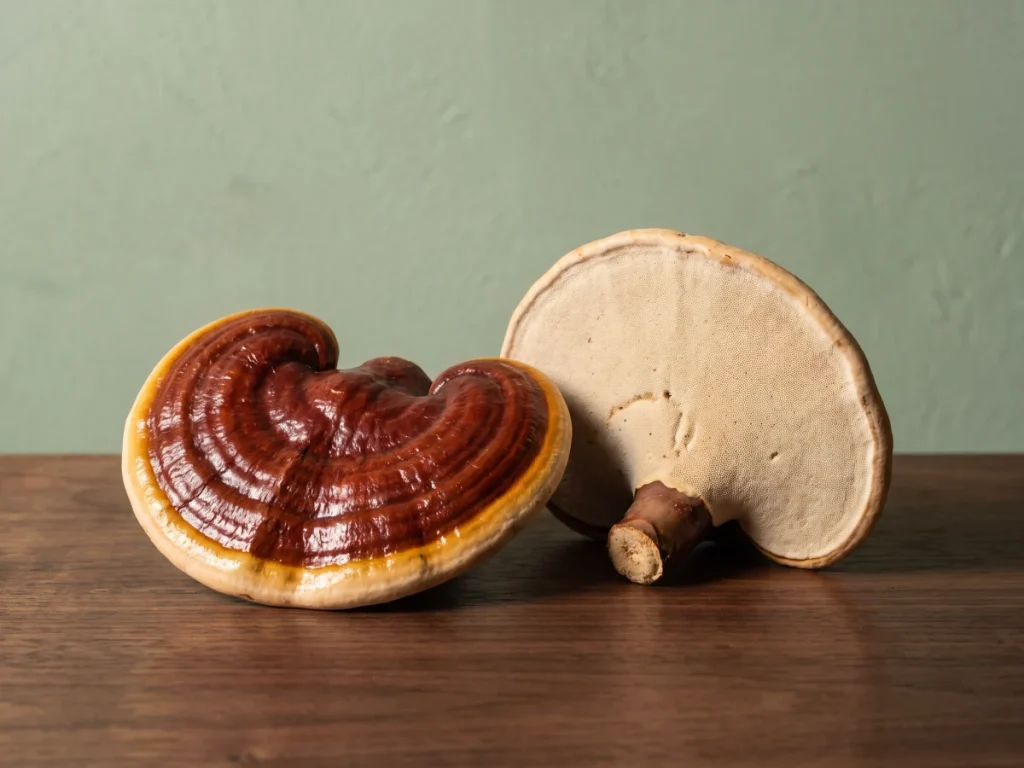
Mushroom
Reishi
Ganoderma spp.
The glossy, lacquered 'lingzhi' mushroom, celebrated in traditional Chinese texts for roughly two thousand years.
Learn More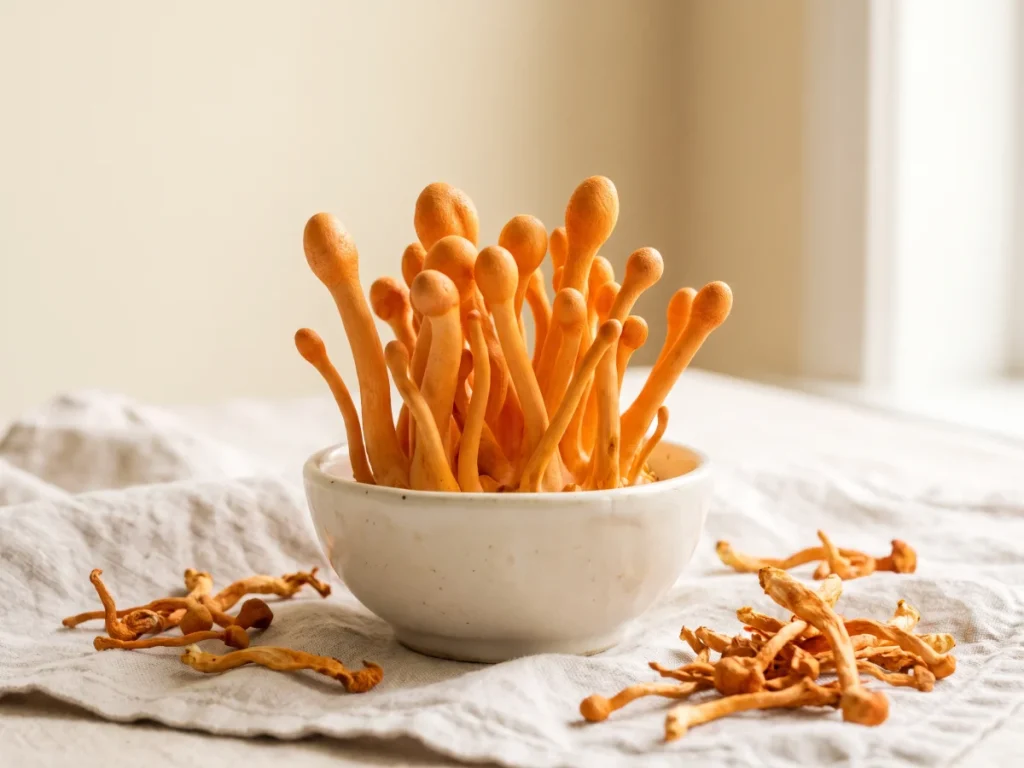
Mushroom
Cordyceps
Cordyceps spp.
A slender, club-shaped fungus with a storied history on the Tibetan Plateau, now mostly cultivated for modern use.
Learn More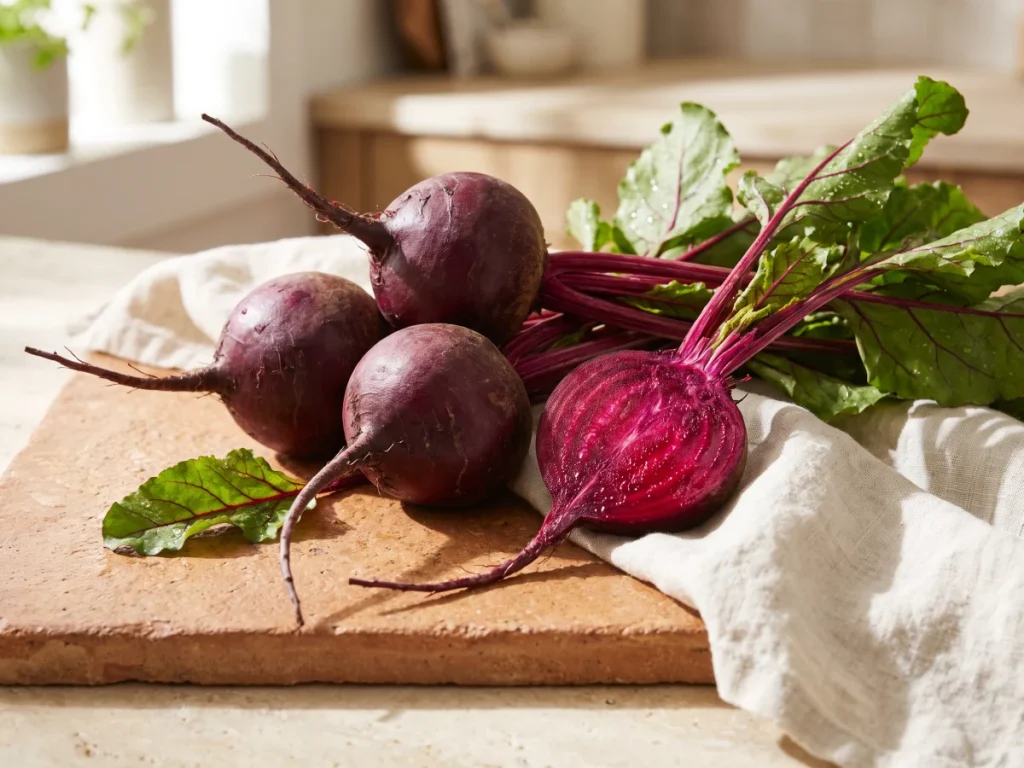
Root
Beetroot
Beta vulgaris
A deeply pigmented root vegetable that naturally contains dietary nitrates and betalain pigments.
Learn More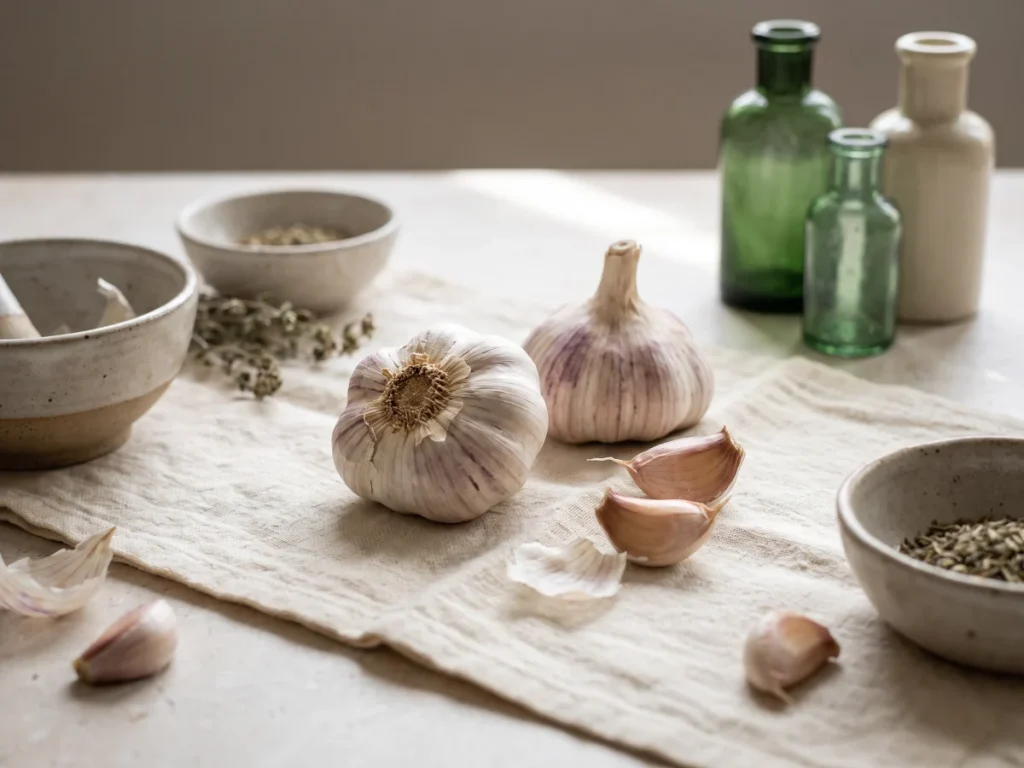
Bulb
Garlic
Allium sativum
A pungent bulb cultivated for thousands of years, valued in kitchens and folk traditions around the world.
Learn More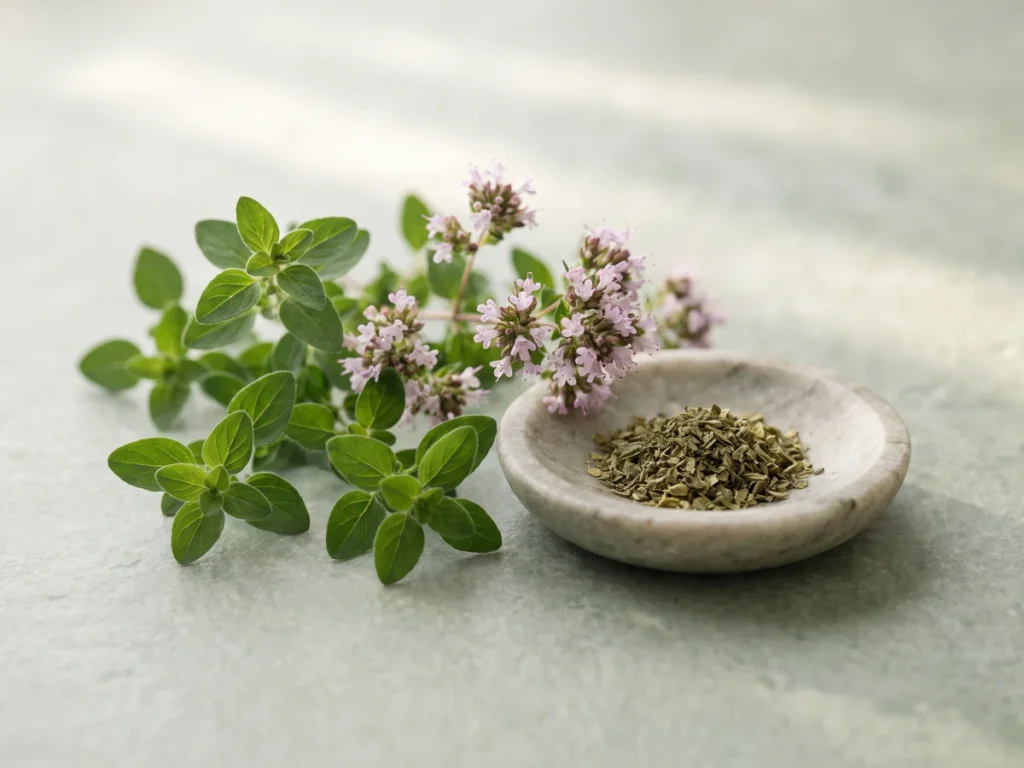
Leaf herb
Oregano
Origanum vulgare
A fragrant Mediterranean herb of the mint family, prized in cooking for its warm, peppery leaves.
Learn More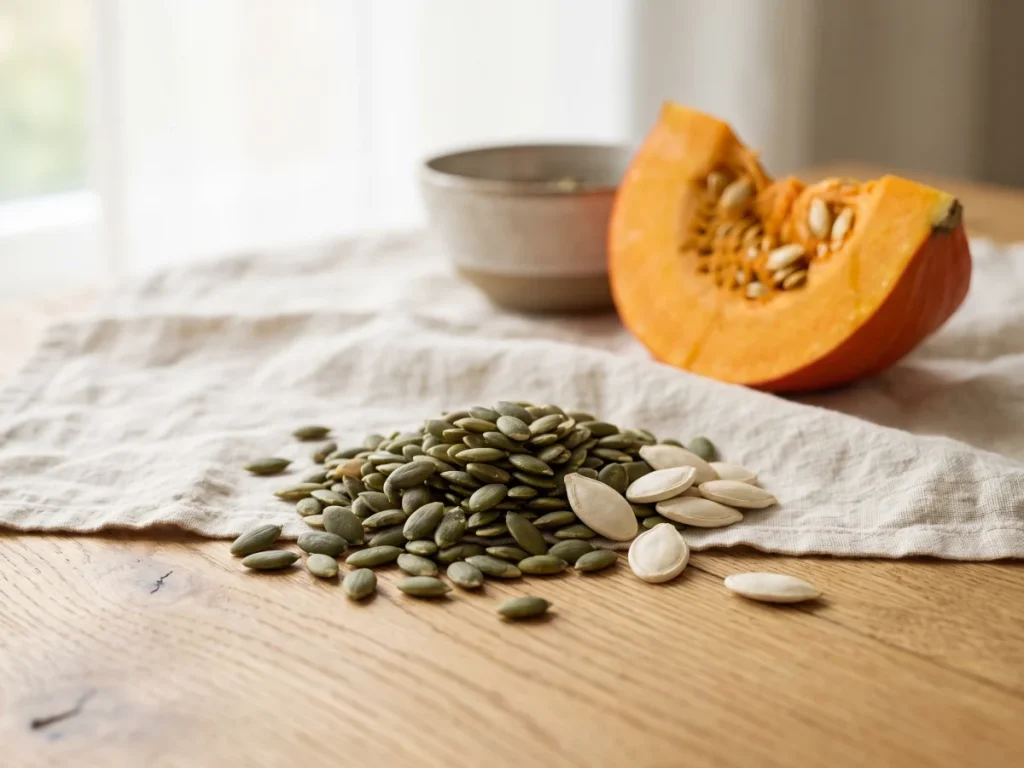
Seed
Pumpkin Seed
Cucurbita pepo
The nutrient-dense seed of the pumpkin, eaten for thousands of years and known in Mexican cooking as pepitas.
Learn More