Plate X · Seed
Pumpkin Seed
Cucurbita pepo
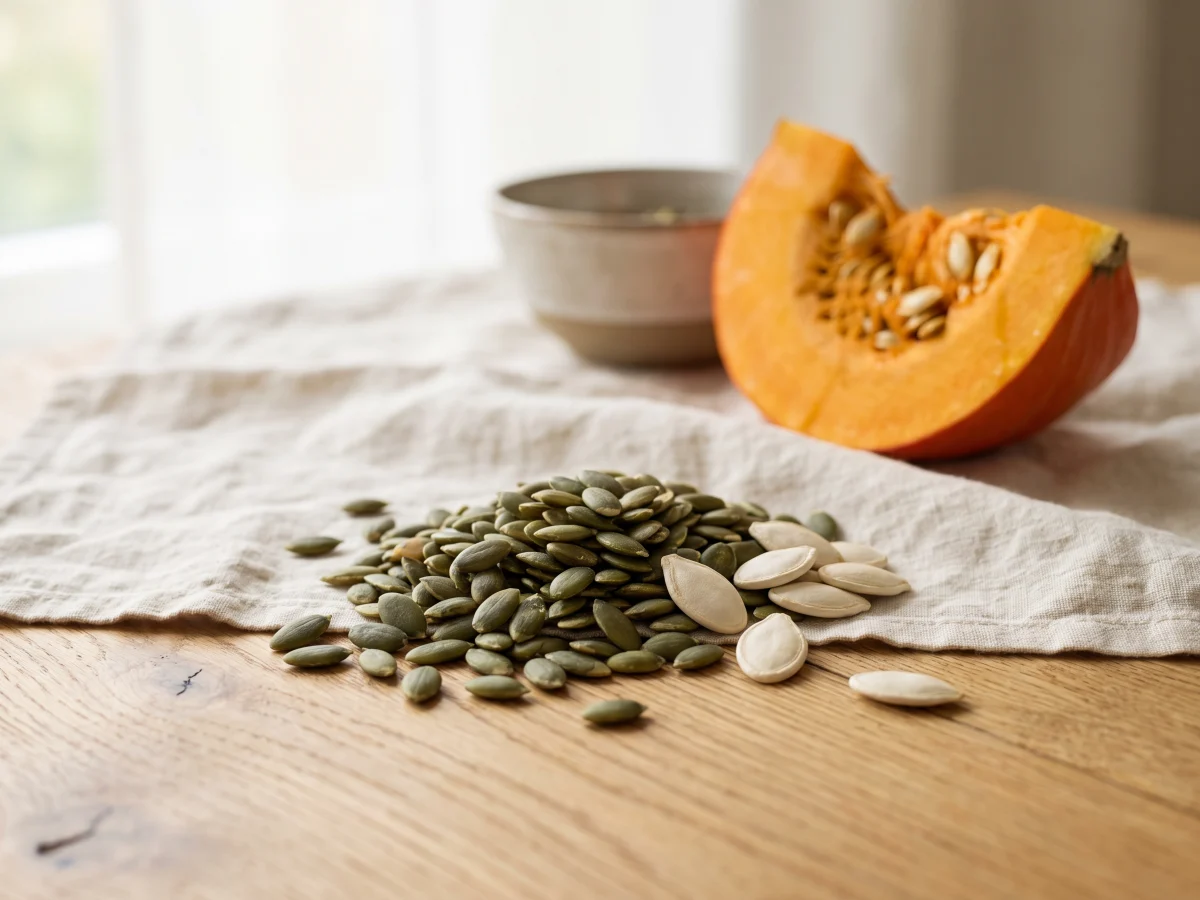
The nutrient-dense seed of the pumpkin, eaten for thousands of years and known in Mexican cooking as pepitas.
- Type
- Seed
- Family
- Cucurbitaceae
- Origin
- The Americas; cultivated worldwide
The pumpkin seed comes from pumpkins and their relatives, which were domesticated in the Americas thousands of years ago, and the seeds have long been eaten roasted or ground. Hulled pumpkin seeds, called pepitas, are deep green and mildly nutty, and the seeds are also pressed for a dark green oil.
How pumpkin seed is prepared
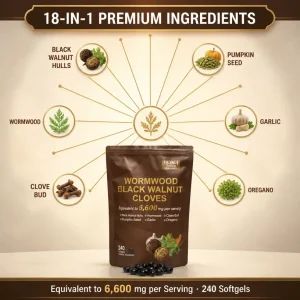
Pumpkin seeds are eaten raw or roasted, ground into flour, or cold-pressed into a dark green oil prized in Central European cooking. Hull-less varieties produce the green pepitas sold for snacking. In ASPHODEL Botanical Complex, pumpkin seed is part of the 18-in-1 blend.
Tradition, research, and what is established
We keep these three things separate, because they are not the same.
Traditional use
Pumpkin seeds feature in the traditional foods of Mesoamerica and in folk practices across Europe and North America.
Preliminary research
Pumpkin seed and pumpkin seed oil are the subject of ongoing research. Much of it is preliminary, and results depend on the preparation studied.
Established
As a whole food, pumpkin seeds provide protein, magnesium, zinc and unsaturated fats.
Reading a supplement label
On a supplement label, look for three things: the scientific name (Cucurbita pepo), the part used (typically the seed or seed oil), and the amount per serving listed in the Supplement Facts panel. Those details, taken from the supplier’s documentation, tell you more about a product than any marketing claim.
Pumpkin Seed in the ASPHODEL collection
In the ASPHODEL collection, you will find this ingredient in ASPHODEL Botanical Complex. Each product page lists its ingredients and label details from verified supplier documentation, and the Botanical Journal explores the history and research behind the plants and fungi we work with.
Botanical reference: Cucurbita pepo on Wikipedia
This page is educational and describes the history and characteristics of a botanical. It is not medical advice and does not describe the effects of any ASPHODEL product.
Find it in
Products with Pumpkin Seed
-
Traditional Botanicals
Botanical Complex
18-in-1 blend: wormwood, black walnut hull & clove
Original price was: $39.99.$29.90Current price is: $29.90. / Month Add to cart