
Skip to content

Discover the ASPHODEL CollectionExplore now

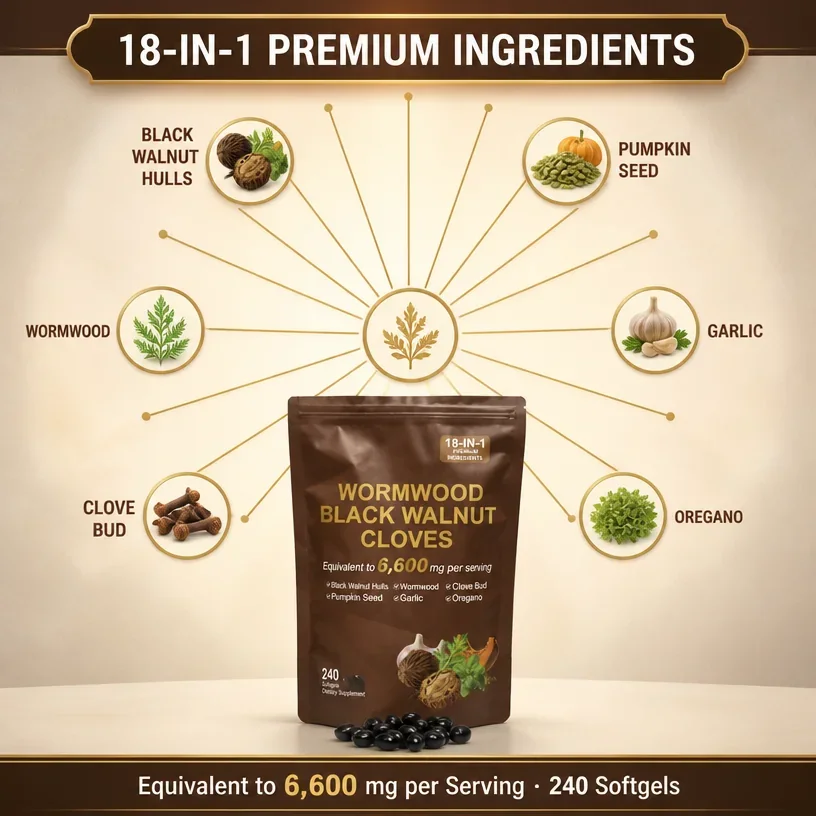
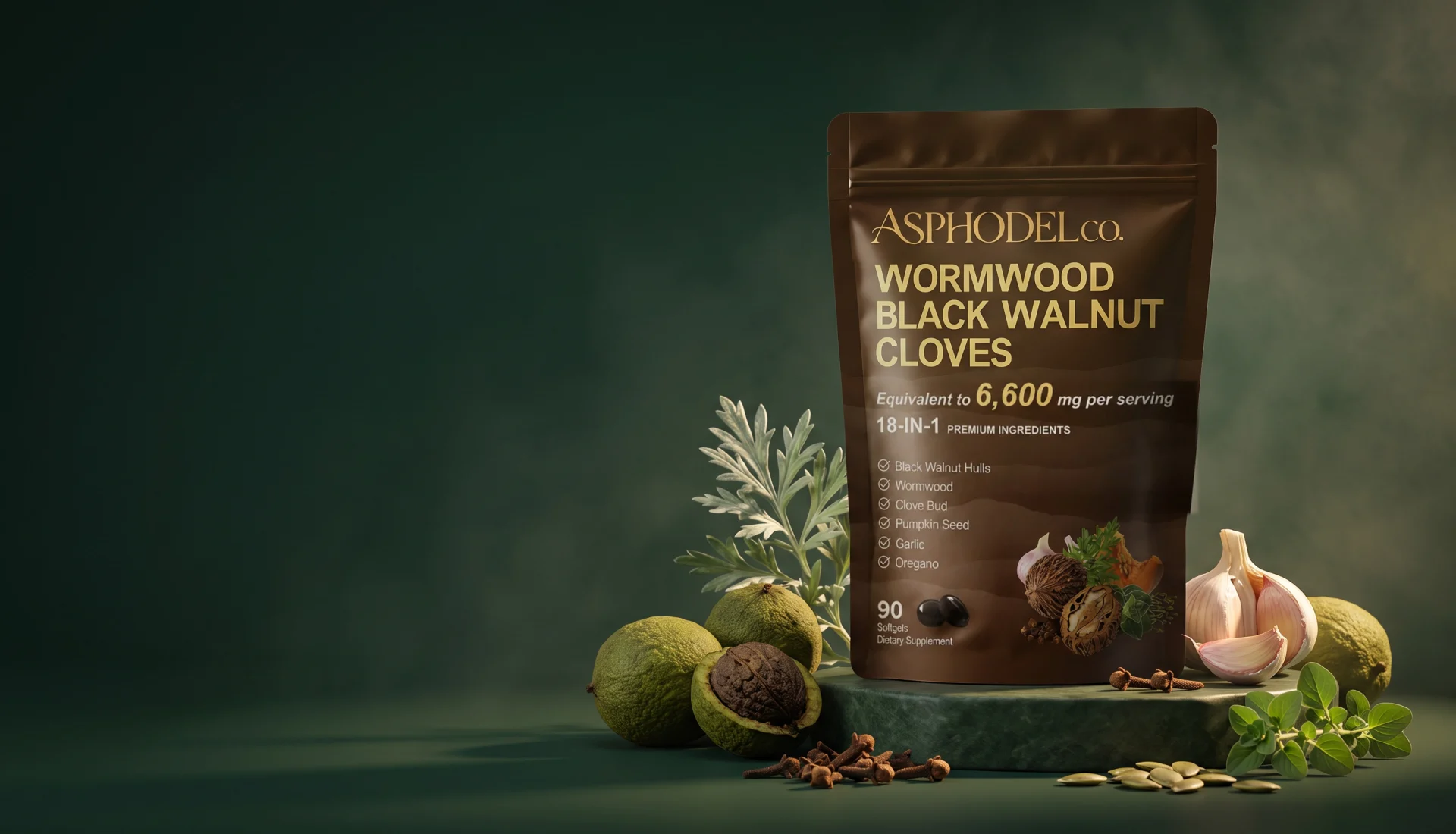
18-in-1 botanical blendVerified label details

Ancient Botanicals. Modern Rituals.

Discover thoughtfully selected botanical supplements: traditional herbal formulas for everyday rituals.

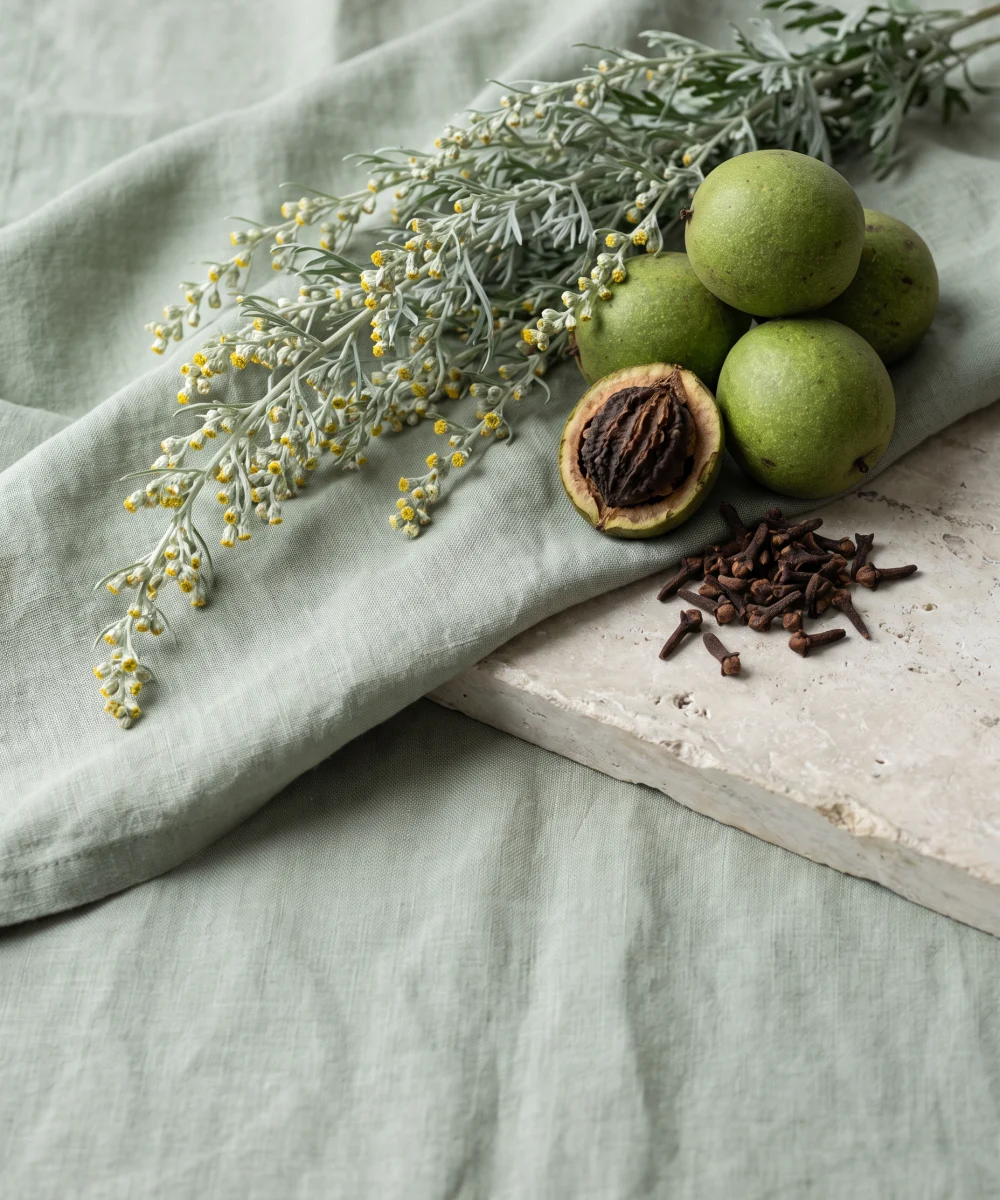
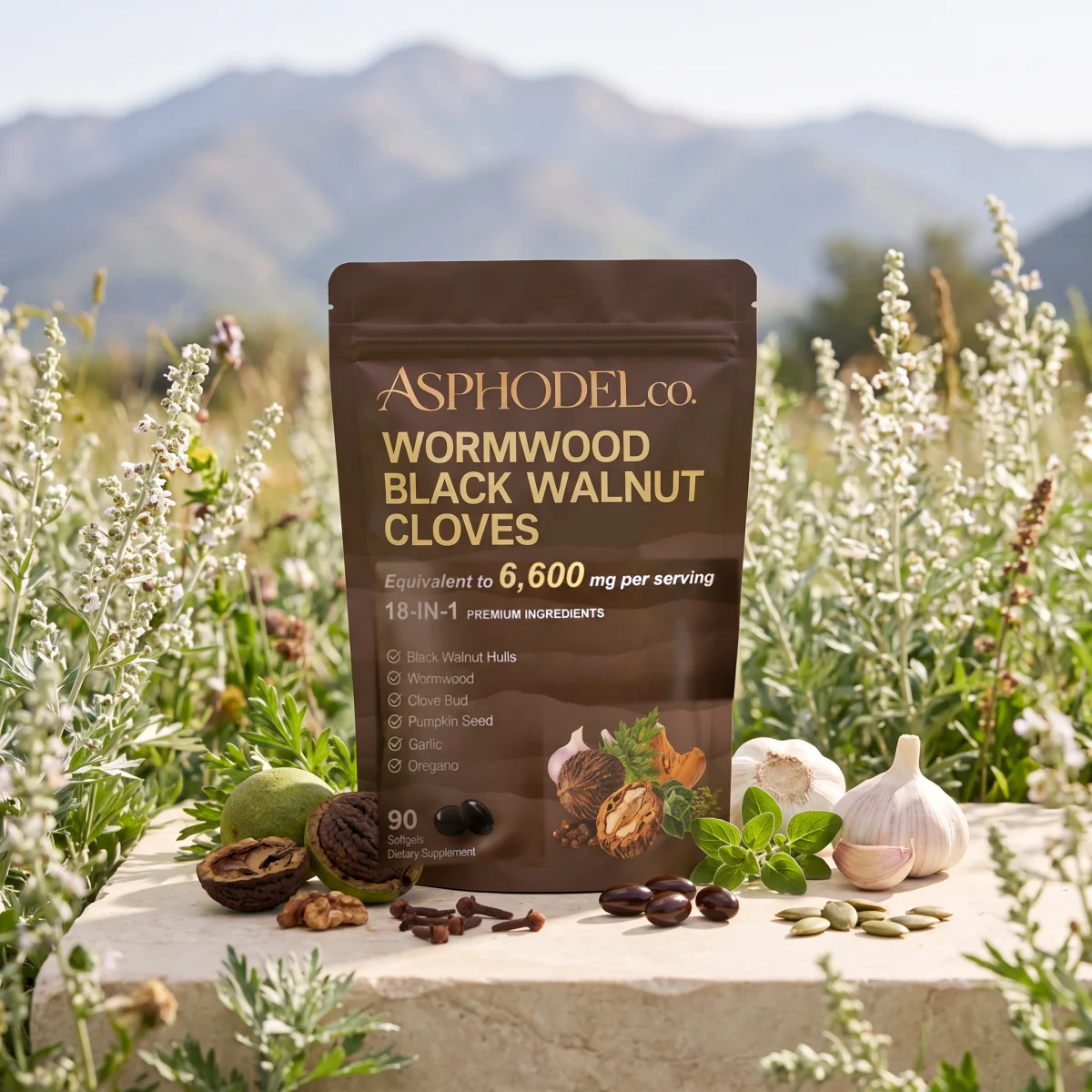
ASPHODEL botanical supplements arranged on stone with cloves and wormwood

Sound familiar?

When your digestion feels a little off.

Heavy after meals. Out of rhythm. Wanting a simple reset you can stick to. These everyday moments are where our botanicals fit into your routine.*

A woman resting a hand on her stomach at the table after a meal

Occasional bloating & heaviness

You feel heavy and puffy after meals.

Wormwood, clove and oregano are bitter, aromatic herbs with a long place in traditional digestive rituals. Botanical Complex brings them together with black walnut hull in one daily softgel.*

Explore Botanical Complex
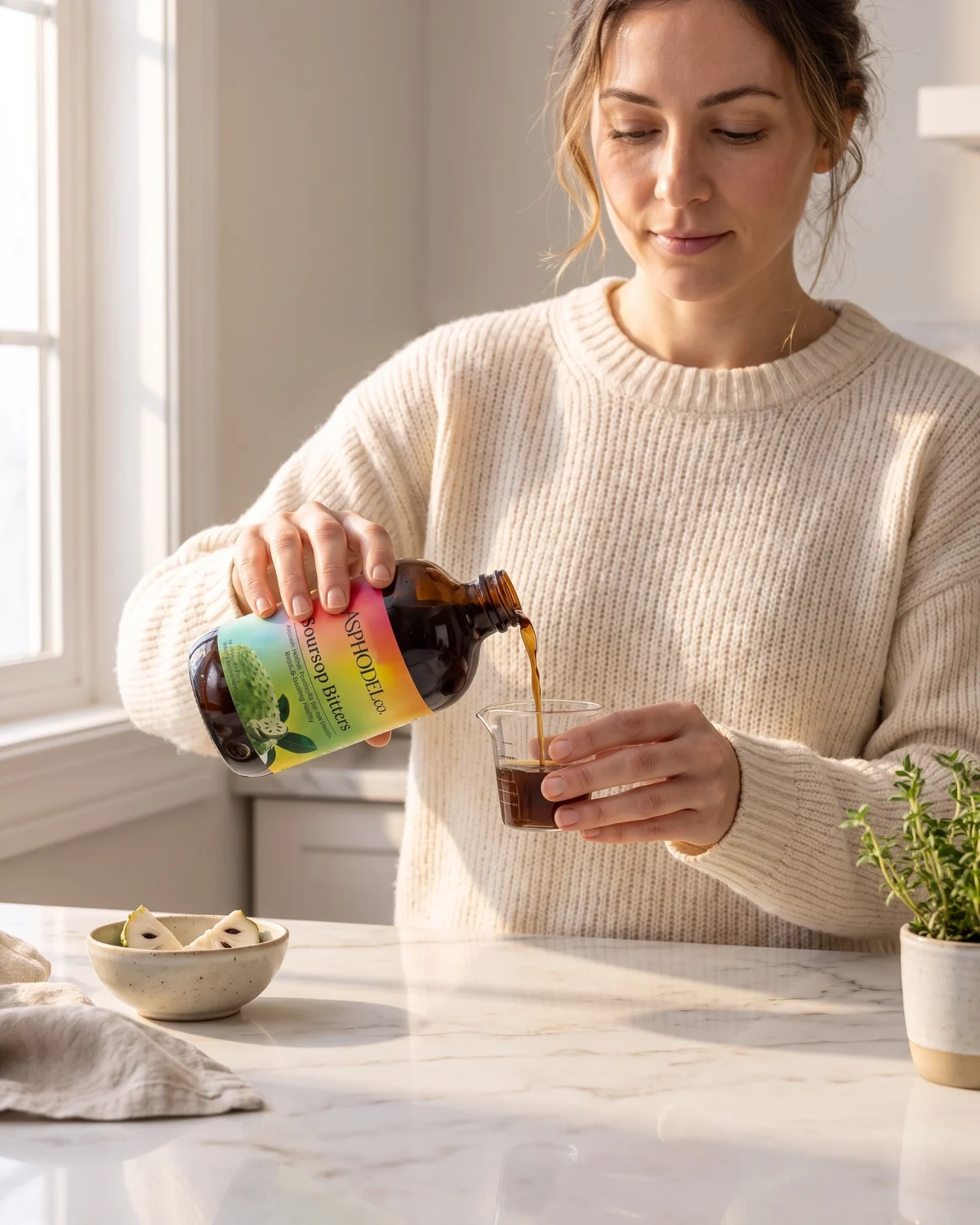
Measuring a serving of ASPHODEL Soursop Bitters in a bright kitchen

Occasionally irregular

Your routine feels a little off rhythm.

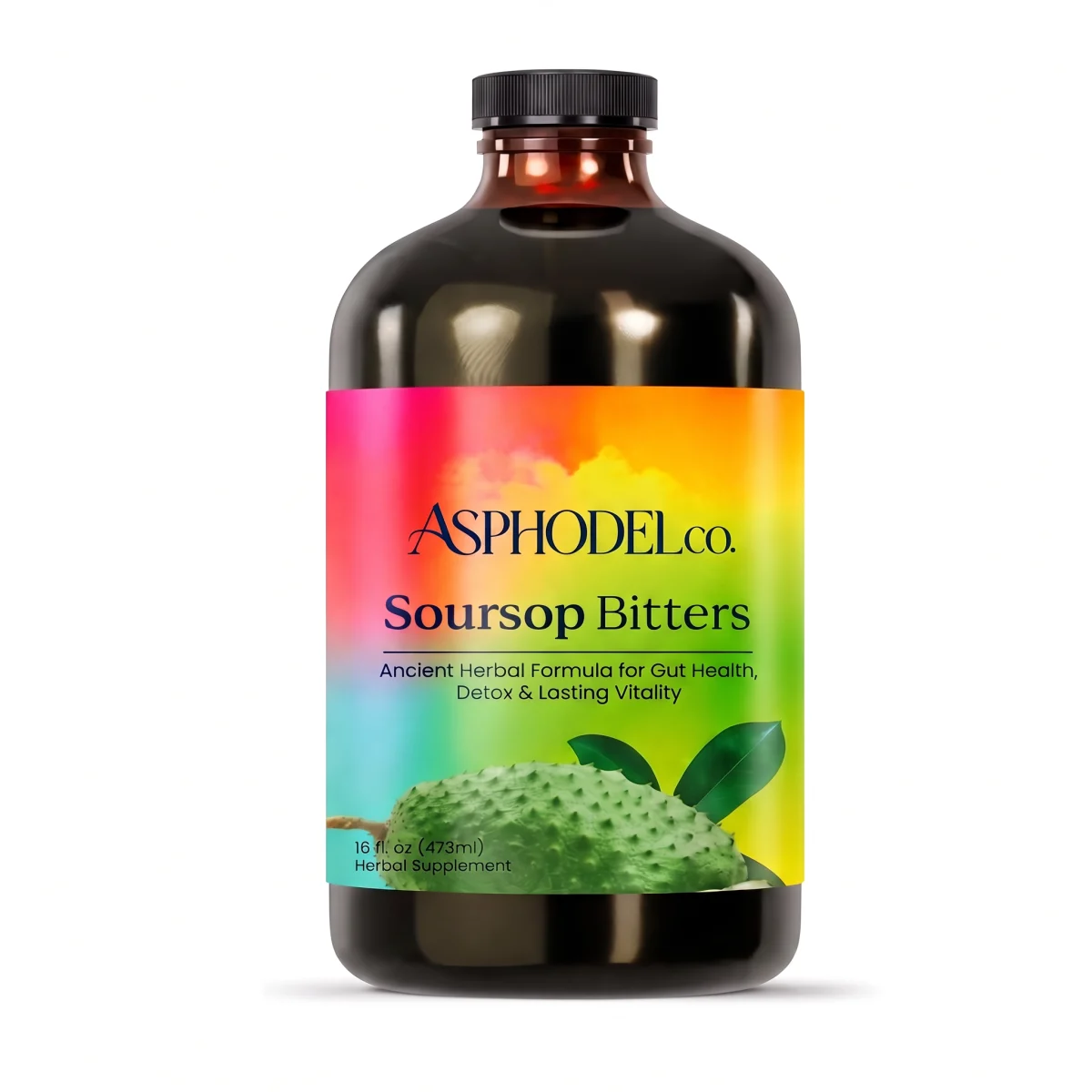
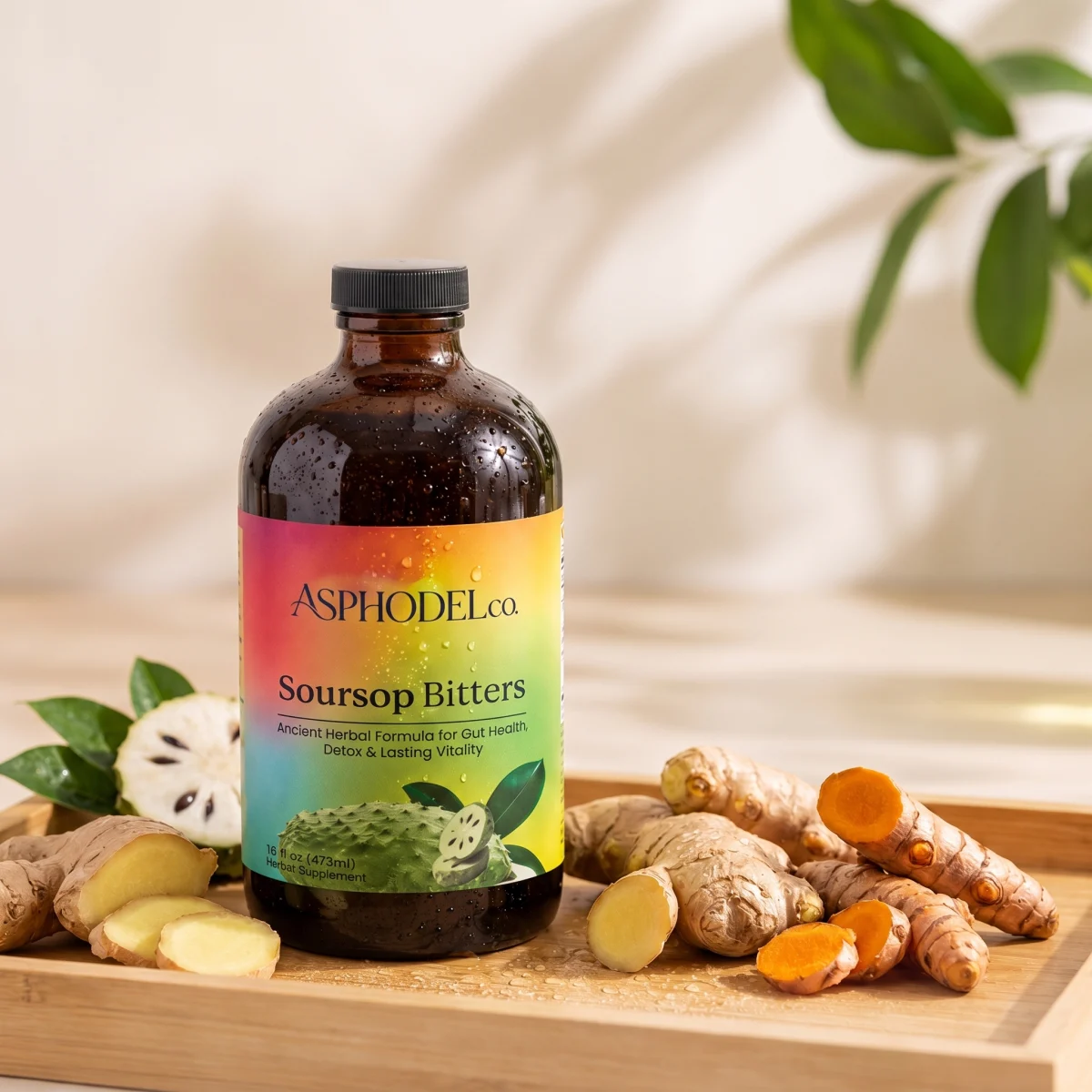
Soursop Bitters pairs Caribbean soursop with senna, a traditional herb used to support regularity, plus warming ginger and turmeric. For short-term use as directed.*

Explore Soursop Bitters
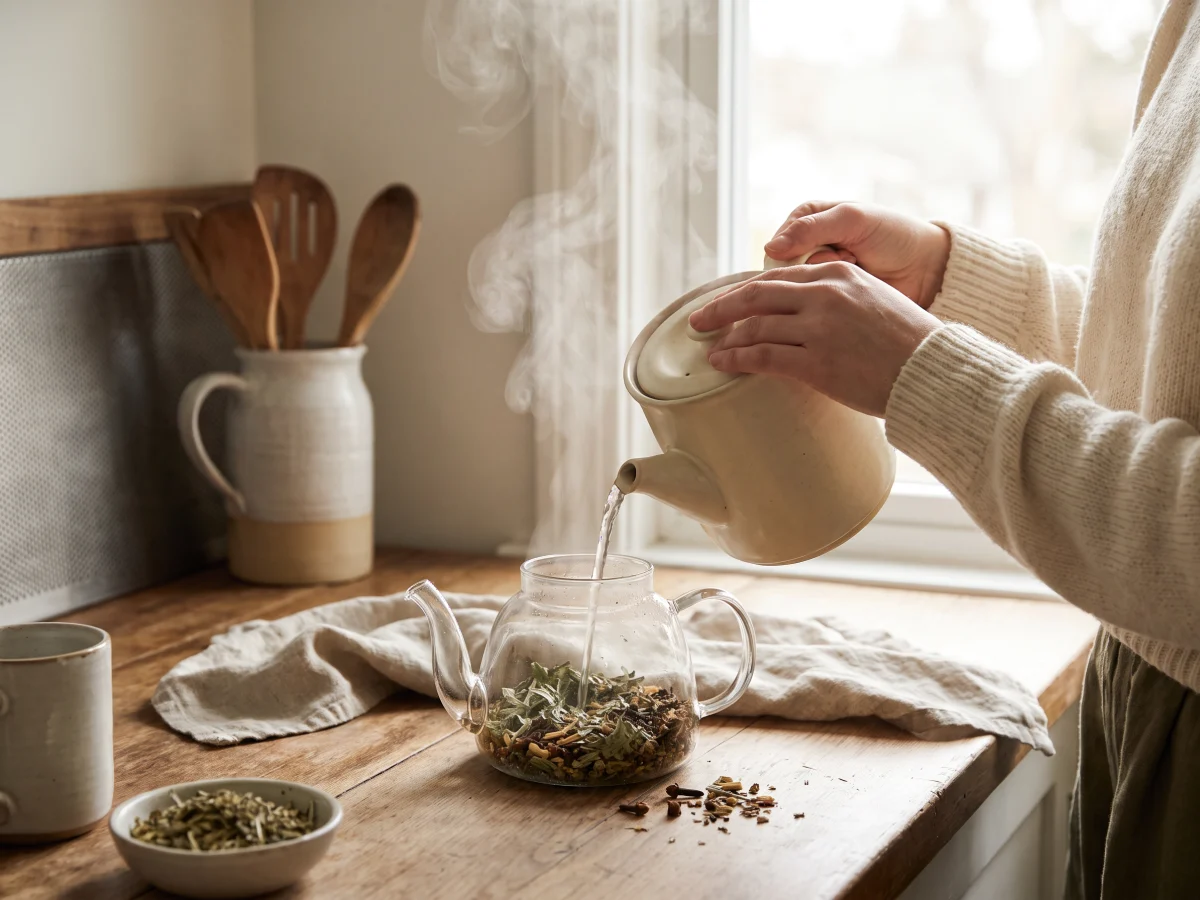
Hands pouring hot water over dried wormwood and cloves in a glass teapot

Wanting a seasonal reset

You'd like a fresh start, the traditional way.

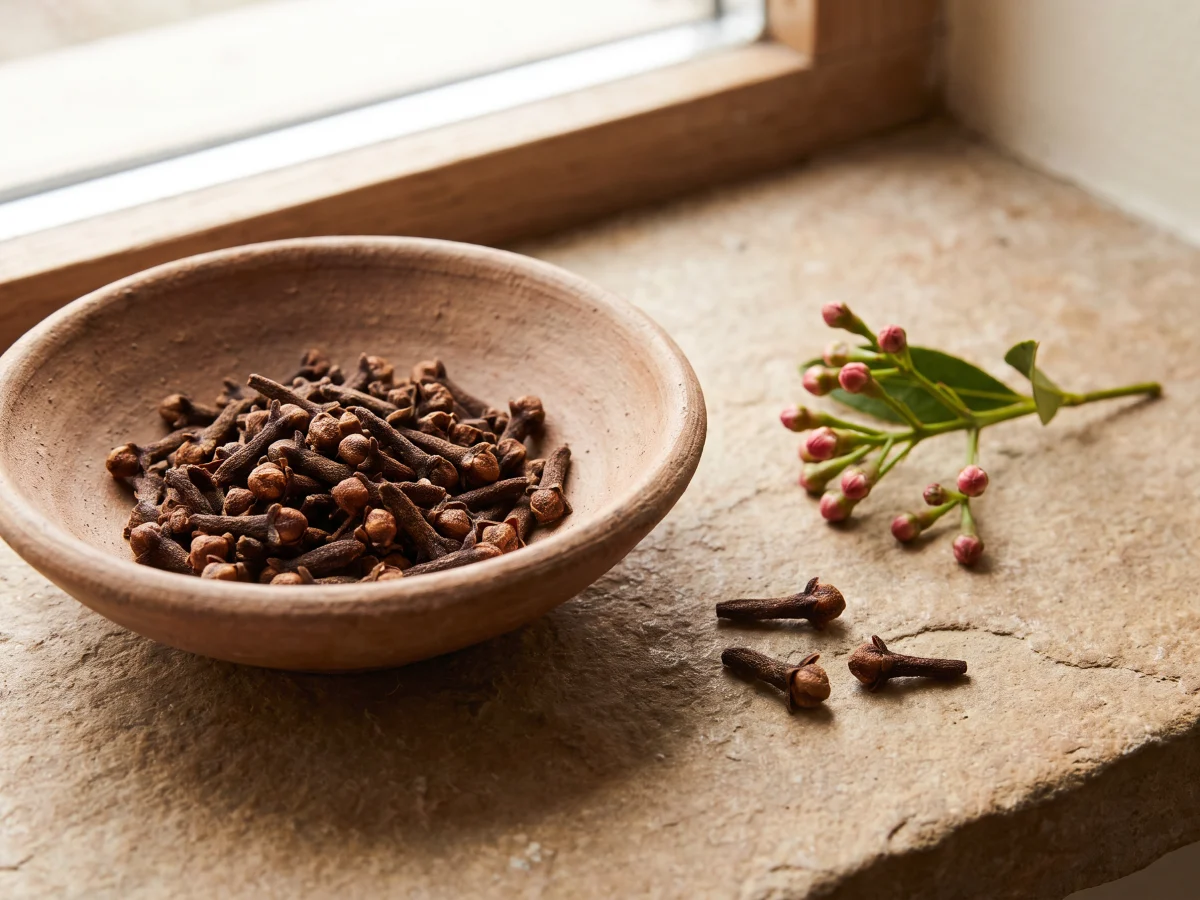
Bitter botanicals like wormwood and clove have been part of seasonal reset rituals for generations. Botanical Complex makes that ritual one simple softgel step.*

Explore Botanical Complex
*These statements have not been evaluated by the Food and Drug Administration. This product is not intended to diagnose, treat, cure, or prevent any disease.

Inside your body

Where each formula fits.

Both ASPHODEL formulas are built around digestion, the oldest focus of herbal bitters. Here's what each one is designed to support.*

Illustration of the human stomach

Stomach

Botanical Complex
Wormwood and clove are bitter herbs traditionally taken around meals for digestive comfort*

Explore
Illustration of the human intestines

Digestive comfort

Botanical Complex
Oregano, garlic and pumpkin seed round out a blend made for a sense of lightness*

Explore
Illustration of the human digestive system
Illustration of the human intestines

Large intestine

Soursop Bitters

Senna supports regularity, for short-term use as directed*

Explore
Illustration of the human stomach

Warming digestion

Soursop Bitters

Ginger and turmeric, warming rhizomes traditionally used after meals*

Explore

*These statements have not been evaluated by the Food and Drug Administration. This product is not intended to diagnose, treat, cure, or prevent any disease.

Our formulas

Two simple places to start.

A traditional botanical blend and a Caribbean-inspired herbal bitters, each with label details published from verified supplier documents.

Botanical Complex

Wormwood, Black Walnut & Clove

  • Traditional digestive bitters, in one softgel*
  • 18 botanicals, including pumpkin seed, garlic & oregano
  • Monthly subscription: cancel anytime
Shop Botanical Complex

Soursop Bitters

Soursop, Senna, Sea Moss, Turmeric & Ginger

  • Caribbean-inspired liquid herbal bitters
  • Senna to support regularity, short term*
  • Subscribe & save, or buy once
Shop Soursop Bitters

The collections

Explore the World of ASPHODEL

Three considered collections of botanical supplements, each built around ingredients with a story worth knowing.

The ASPHODEL collection

Featured Botanicals

Shop all

Our approach

A More Considered Approach to Botanical Supplements.

We believe thoughtful sourcing, ingredient transparency, and purposeful formulations belong at the heart of everyday wellness.

Thoughtfully Selected Ingredients

Every botanical earns its place on our shelf: chosen for its heritage, its character, and how clearly we can document it.

Transparent Product Information

Ingredients, formats, and label details come from verified supplier documentation, with nothing estimated or embellished.

Botanical Heritage

We share the history behind each plant and fungus, and we keep tradition, early research, and established fact clearly apart.

Modern Quality Standards

Clean presentation, careful handling, and documentation we can stand behind, because premium starts with what you can verify.

What's inside

Ingredient by ingredient.

Every ingredient has a history. Here is what tradition says and what is established, kept clearly apart.

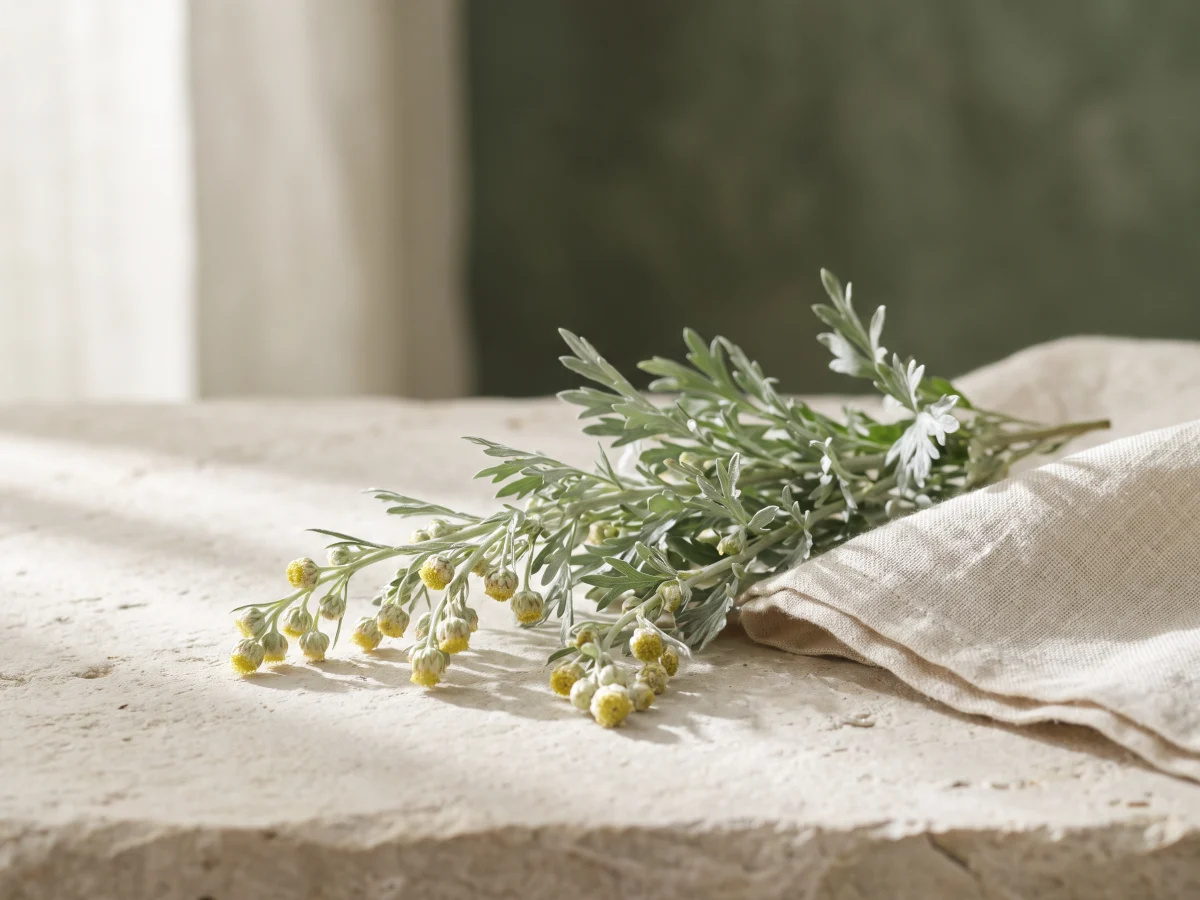
Botanical illustration of Wormwood (Artemisia absinthium)

Wormwood

A silvery, aromatic herb famous for its intense bitterness. In fact, it has a long place in European herbal and culinary history.

Traditional use. Across European herbal traditions, people took wormwood as a 'bitter' in small amounts before meals. Folk practice also used it to keep moths and insects away.

What is established. Several jurisdictions regulate thujone levels in food and drink. Also, wormwood is not appropriate during pregnancy.

Full Wormwood profile
Botanical illustration of Black Walnut (Juglans nigra)

Black Walnut

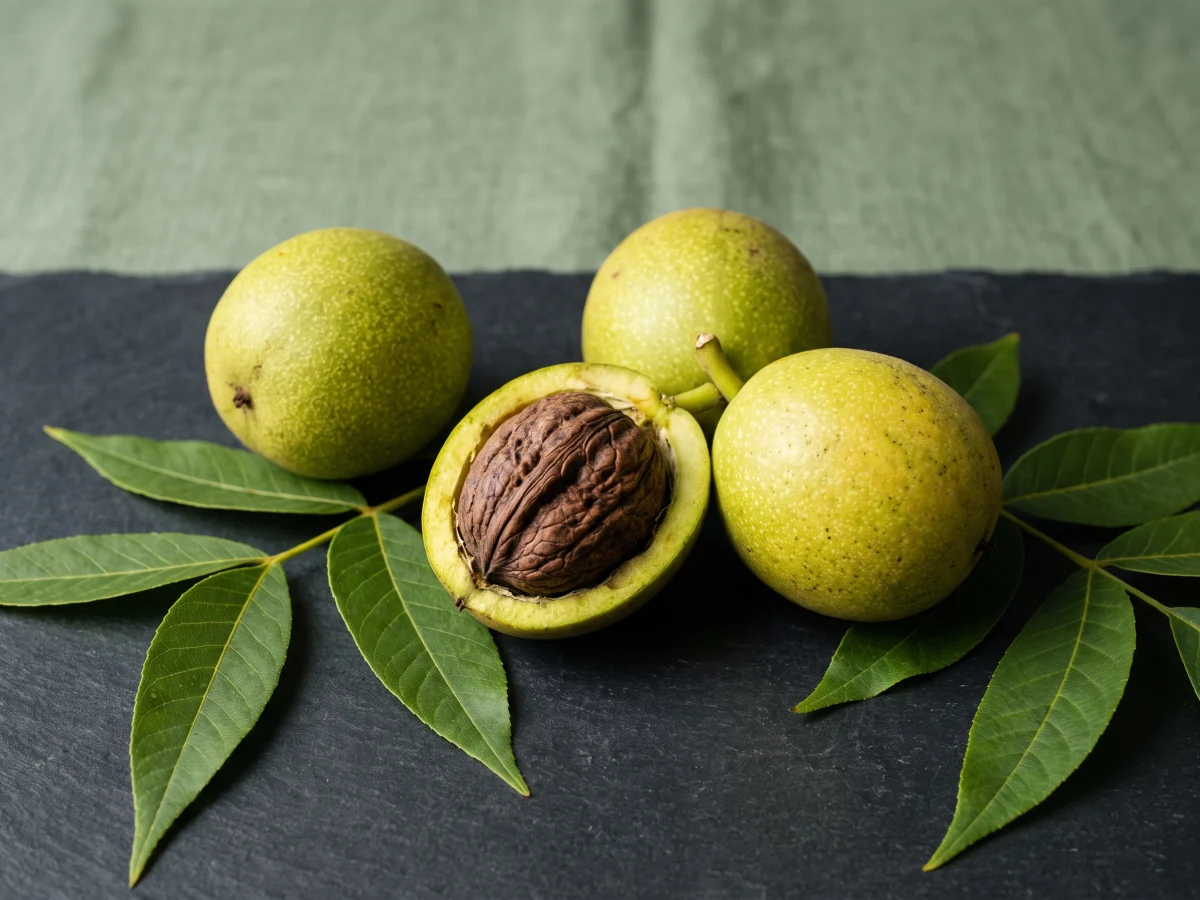
The green outer hull of a North American hardwood. Rich in tannins, it was also a prized natural dye.

Traditional use. People used black walnut hulls to dye cloth and hair. They also appear in North American folk herbalism.

What is established. Horticulturists have documented juglone's effect on neighbouring plants well. If you have a tree-nut allergy, check the supplier's documentation first.

Full Black Walnut profile
Botanical illustration of Clove (Syzygium aromaticum)

Clove

The dried flower bud of an evergreen tree from the Maluku Islands. In its day, it was one of the most valuable spices on Earth.

Traditional use. Clove has a long history in cooking, perfumery and traditional practice across Asia, the Middle East and Europe. In particular, many people know it from traditional dental care.

What is established. Eugenol is the main aromatic compound in clove and clove oil. Dentists and perfumers both use it.

Full Clove profile
Botanical illustration of Pumpkin Seed (Cucurbita pepo)

Pumpkin Seed

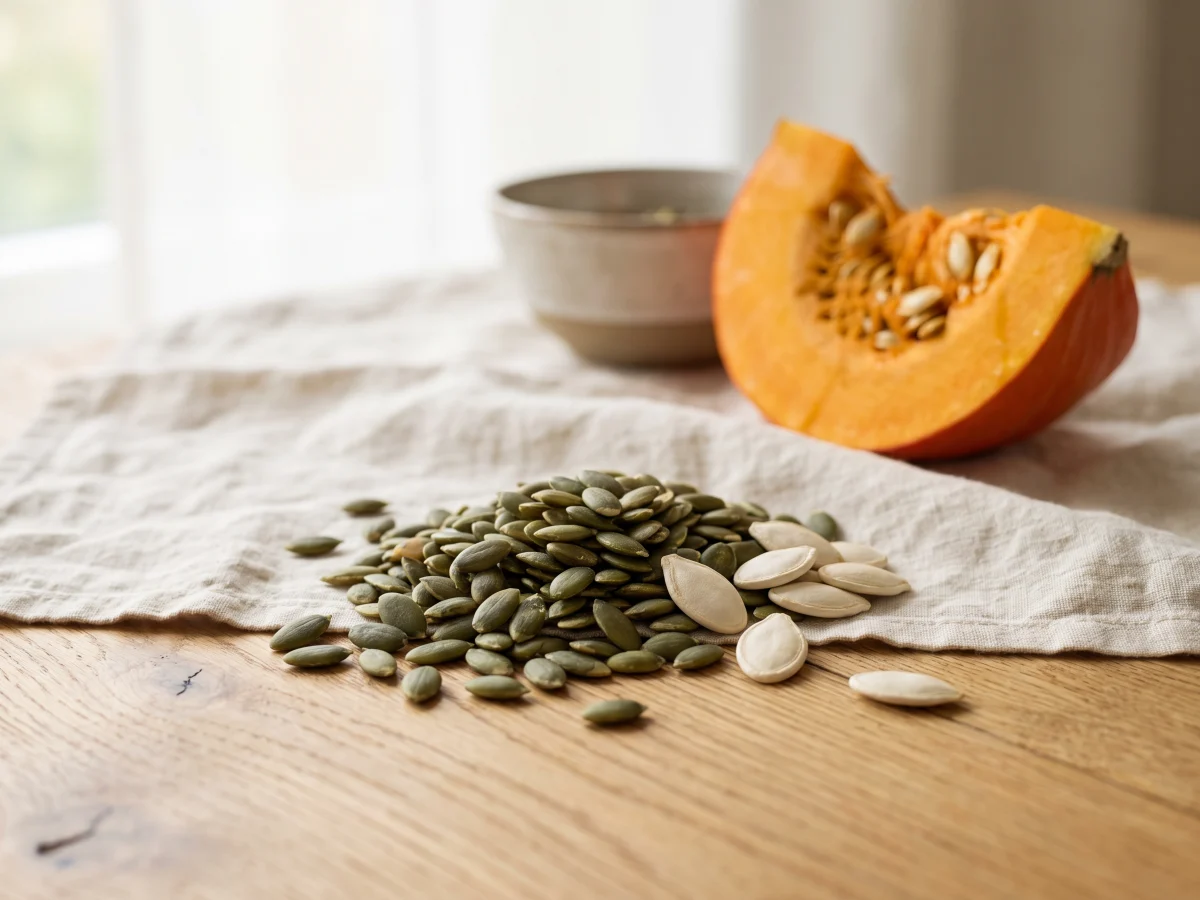
The nutrient-dense seed of the pumpkin. In Mexican cooking, for example, people know the hulled seeds as pepitas.

Traditional use. Pumpkin seeds feature in the traditional foods of Mesoamerica. They also appear in folk practices across Europe and North America.

What is established. As a whole food, pumpkin seeds provide protein, magnesium, zinc and unsaturated fats.

Full Pumpkin Seed profile
Botanical illustration of Garlic (Allium sativum)

Garlic

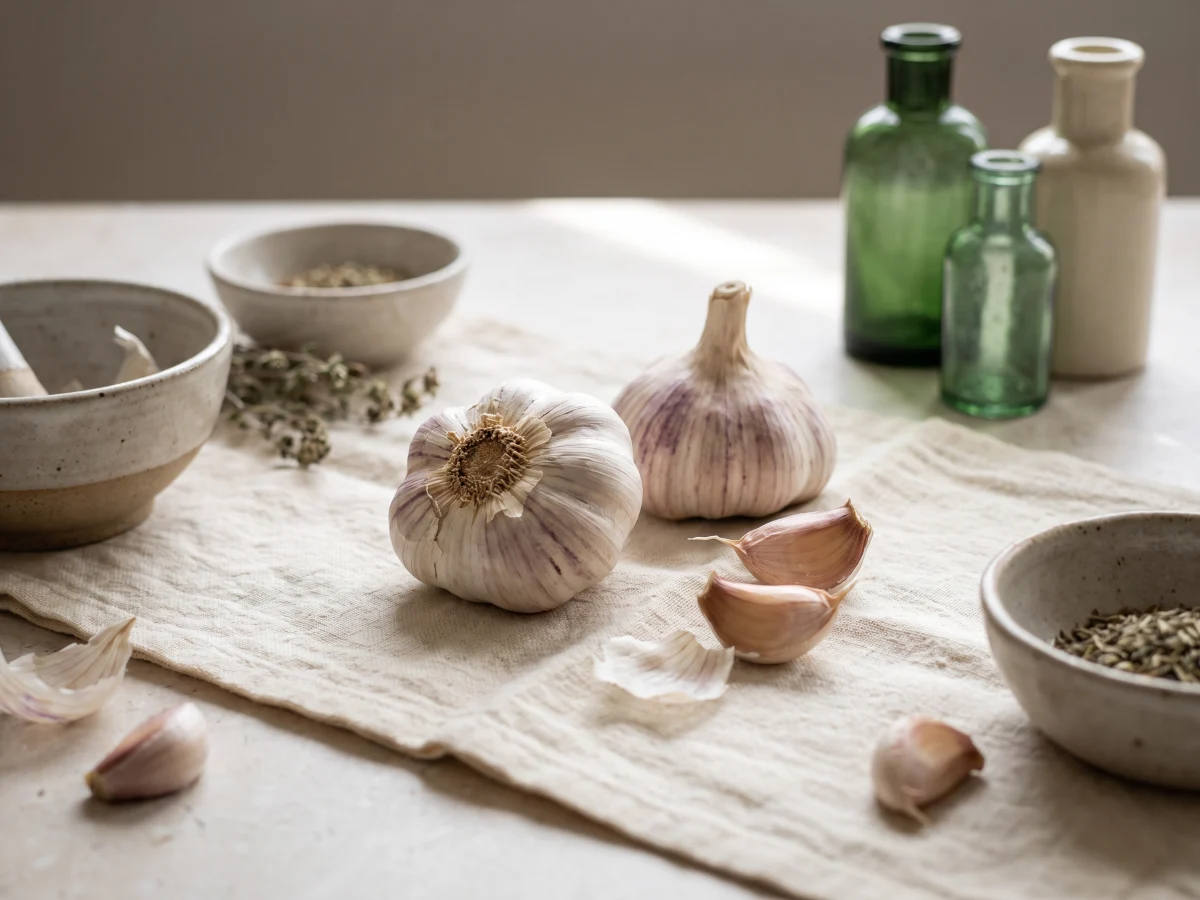
A pungent bulb that people have grown for thousands of years. Today, kitchens and folk traditions around the world still value it.

Traditional use. Garlic appears in the folk practices of many cultures. For example, it features in ancient Egyptian and Greek writings, as well as in traditional Chinese and Ayurvedic practice.

What is established. Allicin forms when you damage garlic tissue. Also, garlic supplements may interact with some medications, including blood thinners, so check with a healthcare professional before use.

Full Garlic profile
Botanical illustration of Oregano (Origanum vulgare)

Oregano

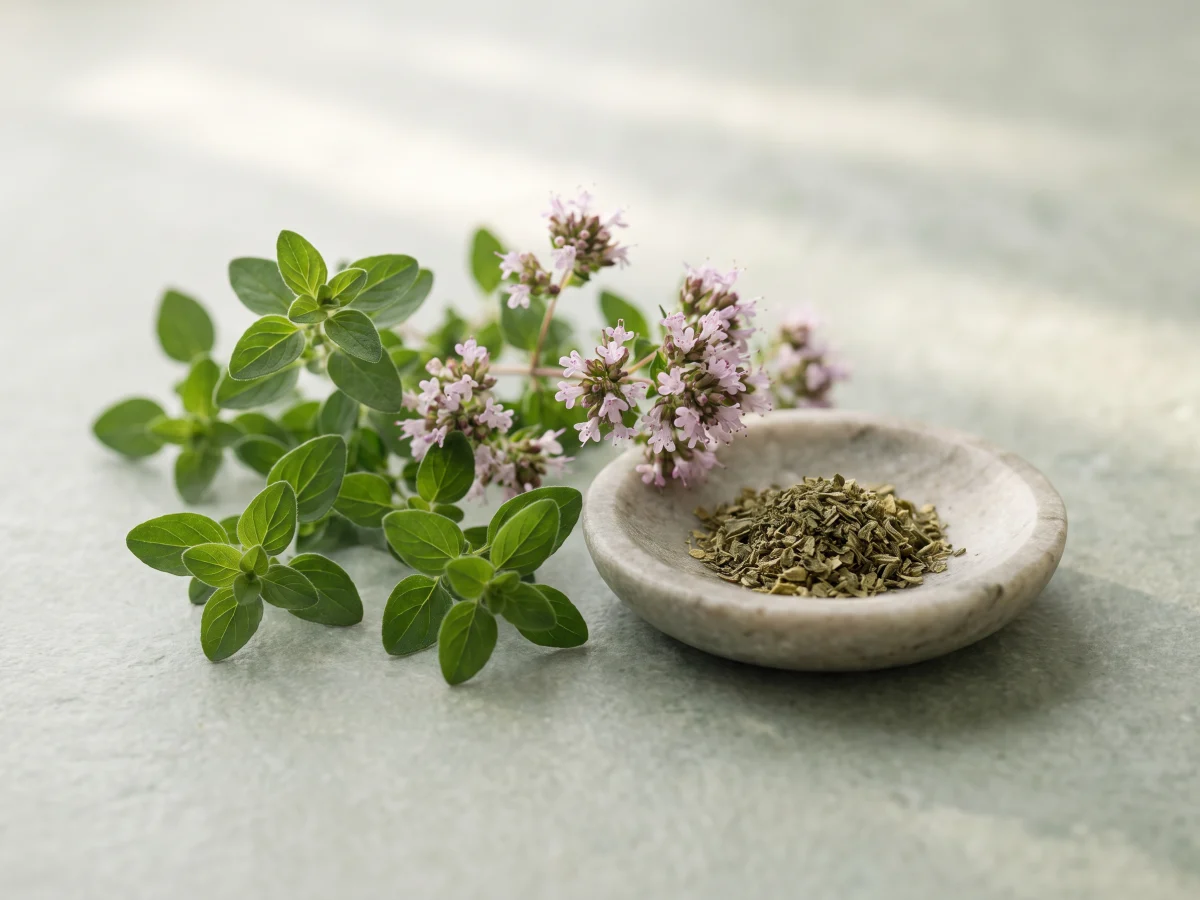
A fragrant Mediterranean herb of the mint family. Above all, cooks prize it for its warm, peppery leaves.

Traditional use. Oregano has a long history in Mediterranean folk practice. There, people drank it as a tea and also cooked with it.

What is established. Carvacrol is the main aromatic compound in many oregano varieties. In addition, the concentrated essential oil is far stronger than the kitchen herb.

Full Oregano profile

Plus 12 further botanicals in the 18-in-1 blend. The complete list is published on the product page from the supplier's verified label.

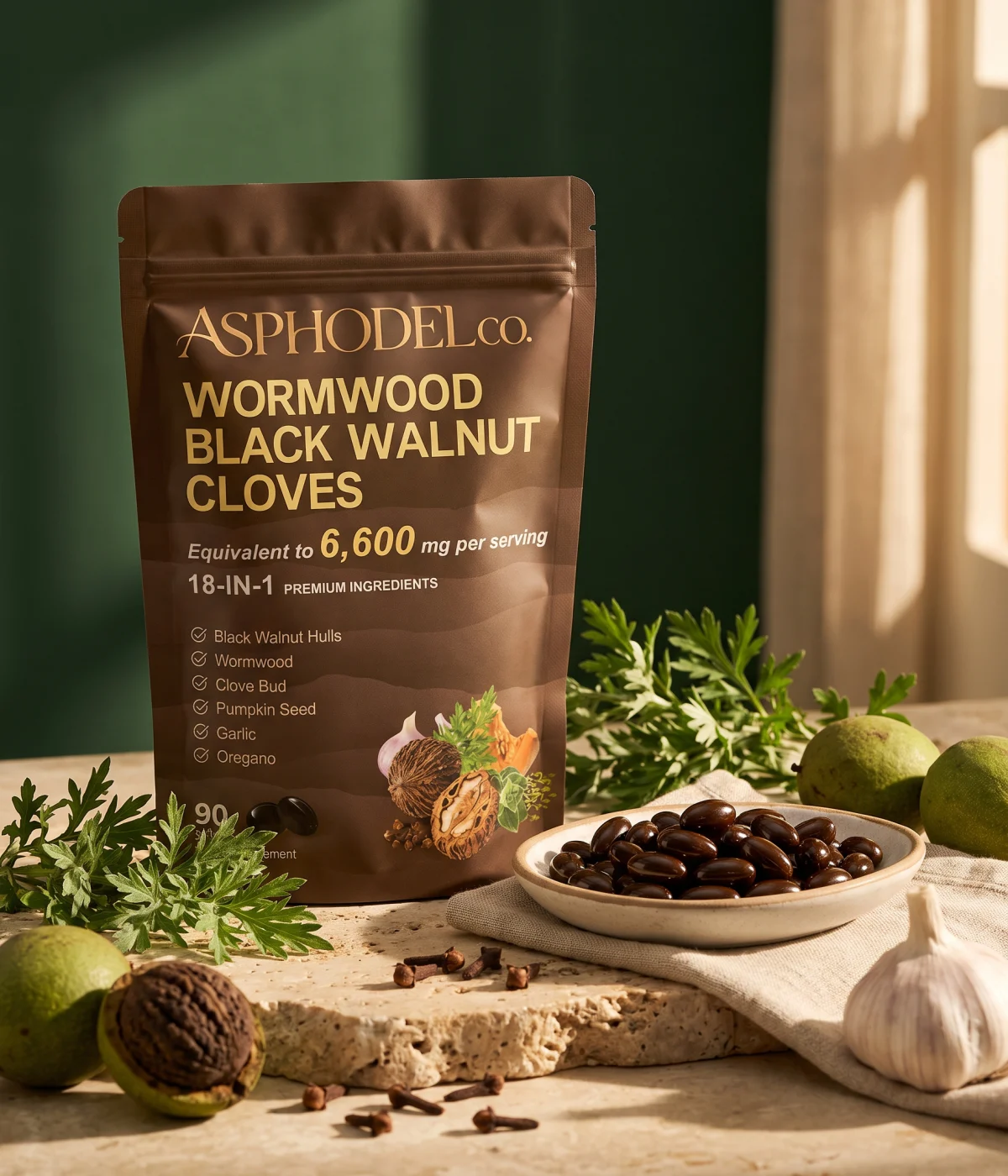
ASPHODEL Botanical Complex pouch with wormwood, black walnuts, cloves, garlic, oregano and pumpkin seeds
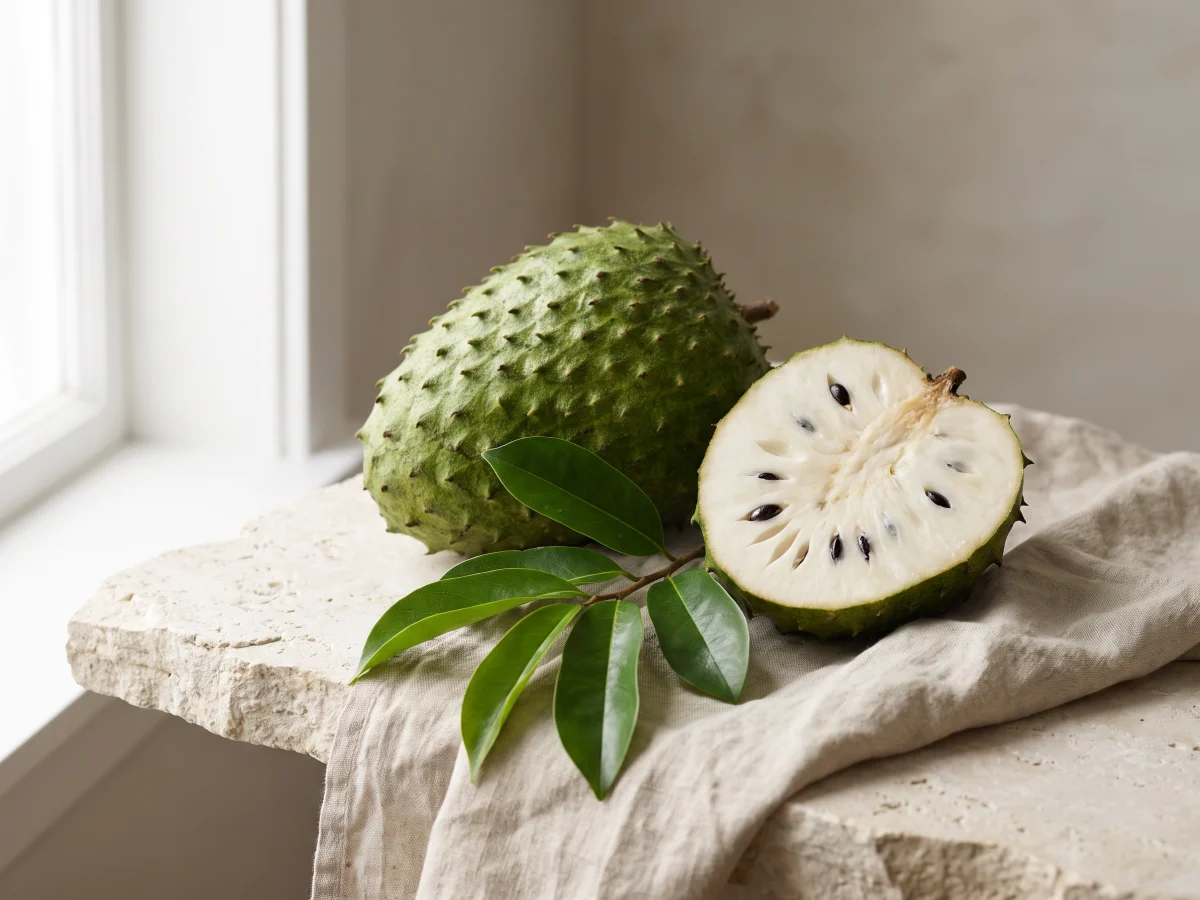
Botanical illustration of Soursop (Annona muricata)

Soursop

A spiky green tropical fruit with creamy white flesh. Its leaf, meanwhile, is a classic Caribbean and Latin American folk tea.

Traditional use. In Caribbean, Central and South American folk practice, people brew soursop leaves as a tea and enjoy the fruit fresh or as a drink. In fact, it is one of the best-known botanicals in Caribbean bush-tea and bitters traditions.

What is established. The fruit naturally provides vitamin C and fibre. On the Caribbean island of Guadeloupe, however, studies have linked heavy, long-term consumption of soursop and related fruits to an atypical form of parkinsonism. Researchers associate this with annonaceous acetogenins. For that reason, avoid excessive or prolonged use and follow the label.

Full Soursop profile
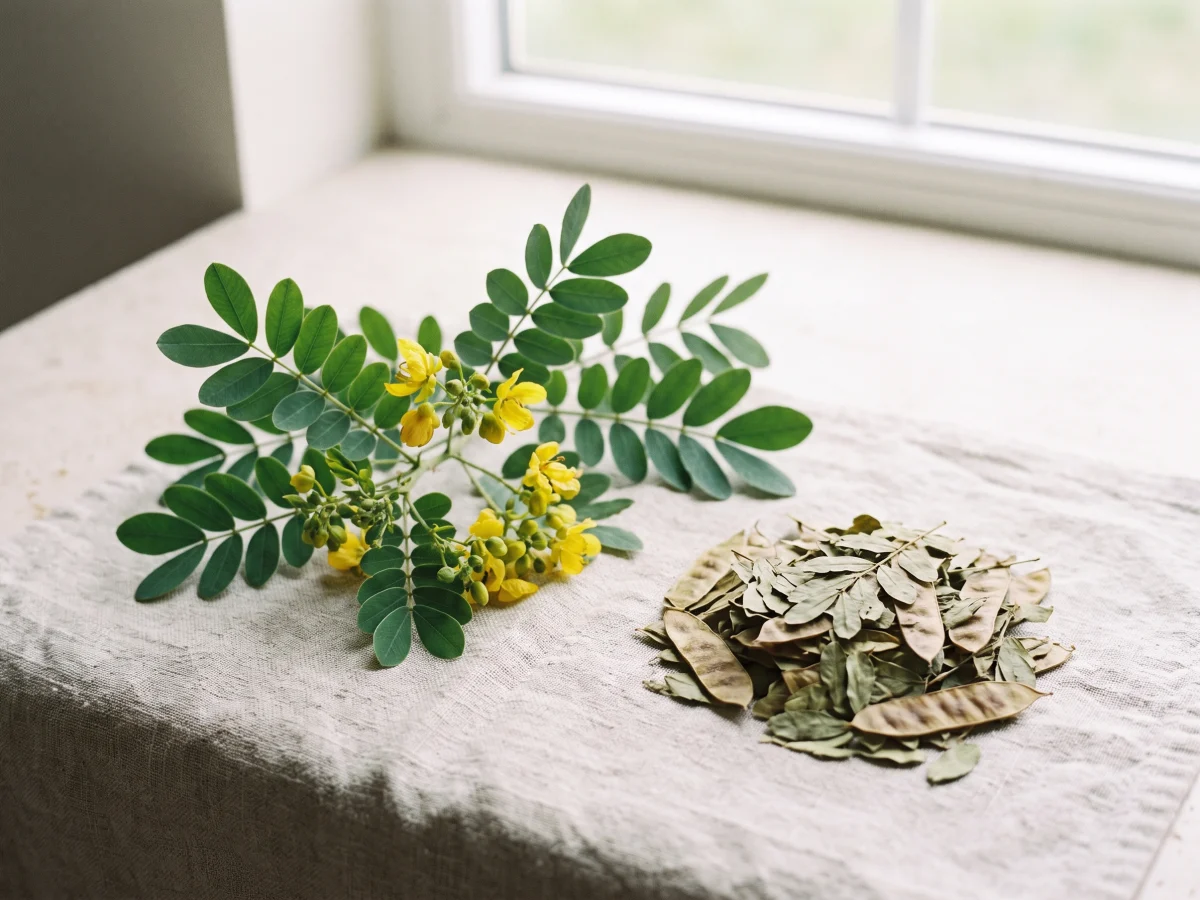
Botanical illustration of Senna (Senna alexandrina)

Senna

A shrub whose leaves and pods people have used as a natural laxative for centuries. Even today, it remains in common use.

Traditional use. Arab physicians described senna more than a thousand years ago. Since then, it has been part of European, Middle Eastern and Indian herbal practice, most often to encourage bowel movements.

What is established. Sennosides are an approved active ingredient in nonprescription laxatives in the United States. However, senna is a stimulant laxative: it can cause cramping and loose stools, and long-term use can upset fluid and electrolyte balance. Do not use it for more than a week unless a healthcare professional advises it. Also, do not use it if you have abdominal pain, nausea or vomiting.

Full Senna profile
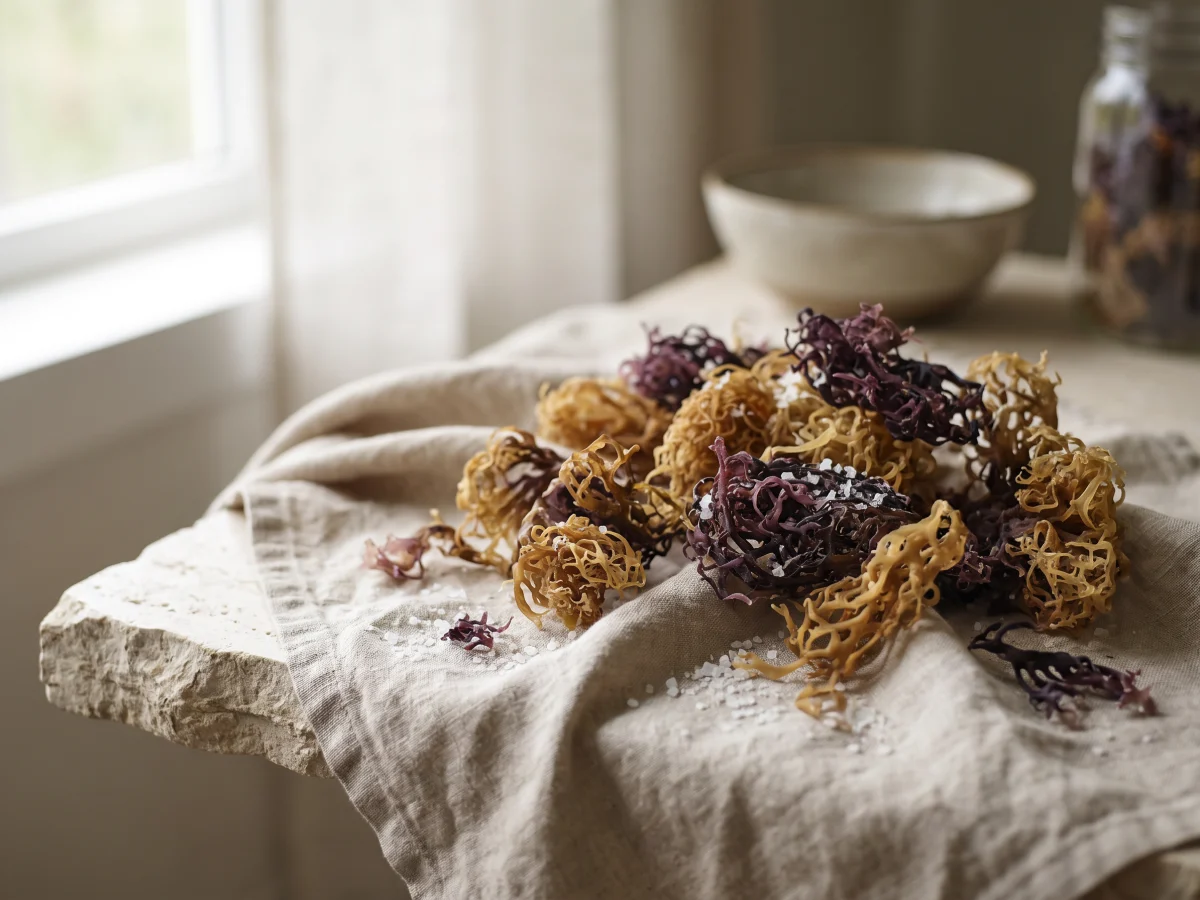
Botanical illustration of Sea Moss (Chondrus crispus)

Sea Moss

A frilly red seaweed, also called Irish moss. For generations, Irish and Caribbean cooks have used it in their kitchens.

Traditional use. In Ireland, families boiled Irish moss with milk to make a set pudding. In the Caribbean, meanwhile, people blend it into a creamy drink. Both traditions treat it as a nourishing food.

What is established. Like other seaweeds, sea moss can contain iodine, and the amount varies a great deal between sources. Too much iodine can affect thyroid function, so check with a healthcare professional first if you have a thyroid condition. Seaweeds can also absorb minerals and metals from the water they grow in, so sourcing matters.

Full Sea Moss profile
Botanical illustration of Turmeric (Curcuma longa)

Turmeric

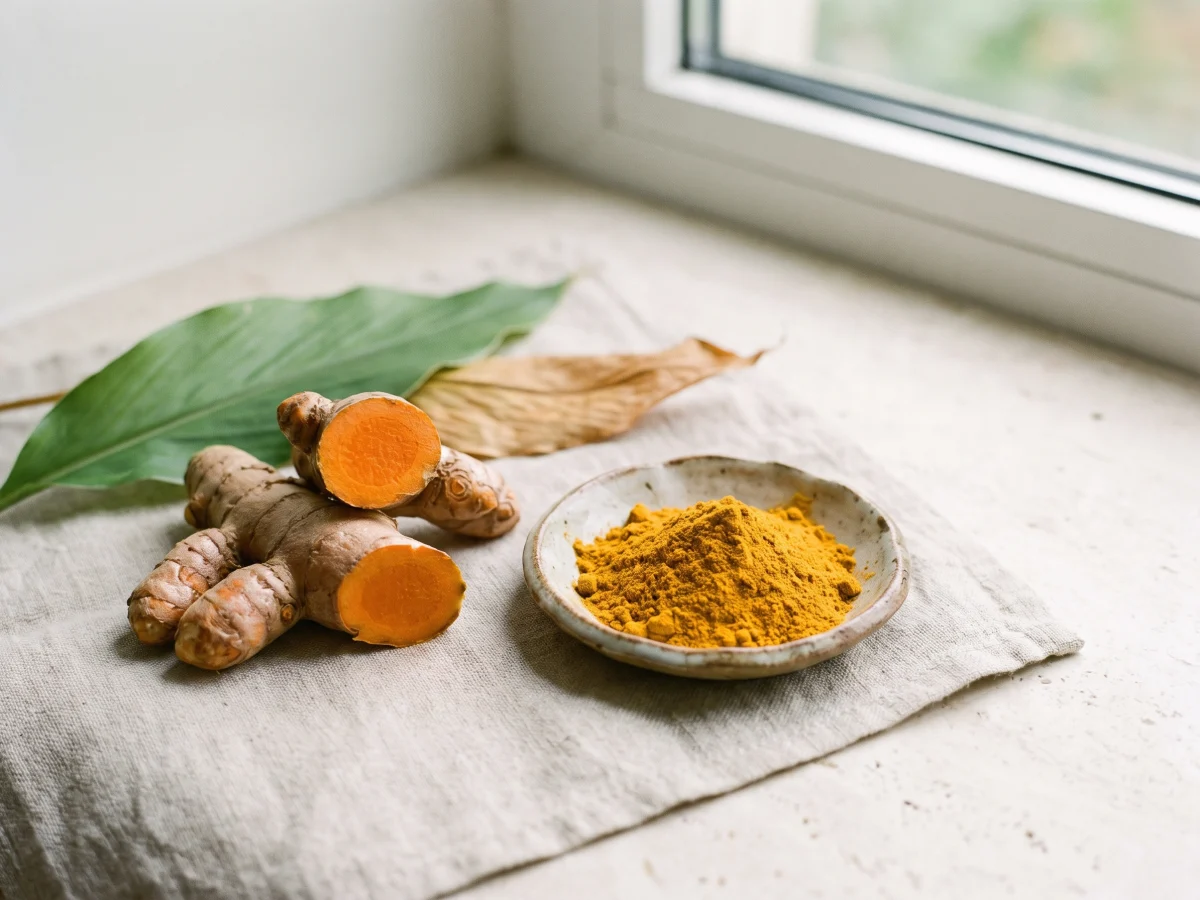
The golden rhizome behind curry's colour. In fact, South Asian cooks and Ayurvedic practice have used it for thousands of years.

Traditional use. Turmeric has a long place in Ayurveda and other South Asian traditions. There, people use it in cooking, in ceremonies and in traditional remedies, for example as a warming digestive spice.

What is established. Turmeric is a common food spice. Even so, concentrated turmeric supplements may interact with blood thinners and some other medications, and people with gallbladder problems should avoid them. Doctors have also reported rare cases of liver injury linked to turmeric supplements. So, speak with a healthcare professional before use if you take medication or have a medical condition.

Full Turmeric profile
Botanical illustration of Ginger (Zingiber officinale)

Ginger

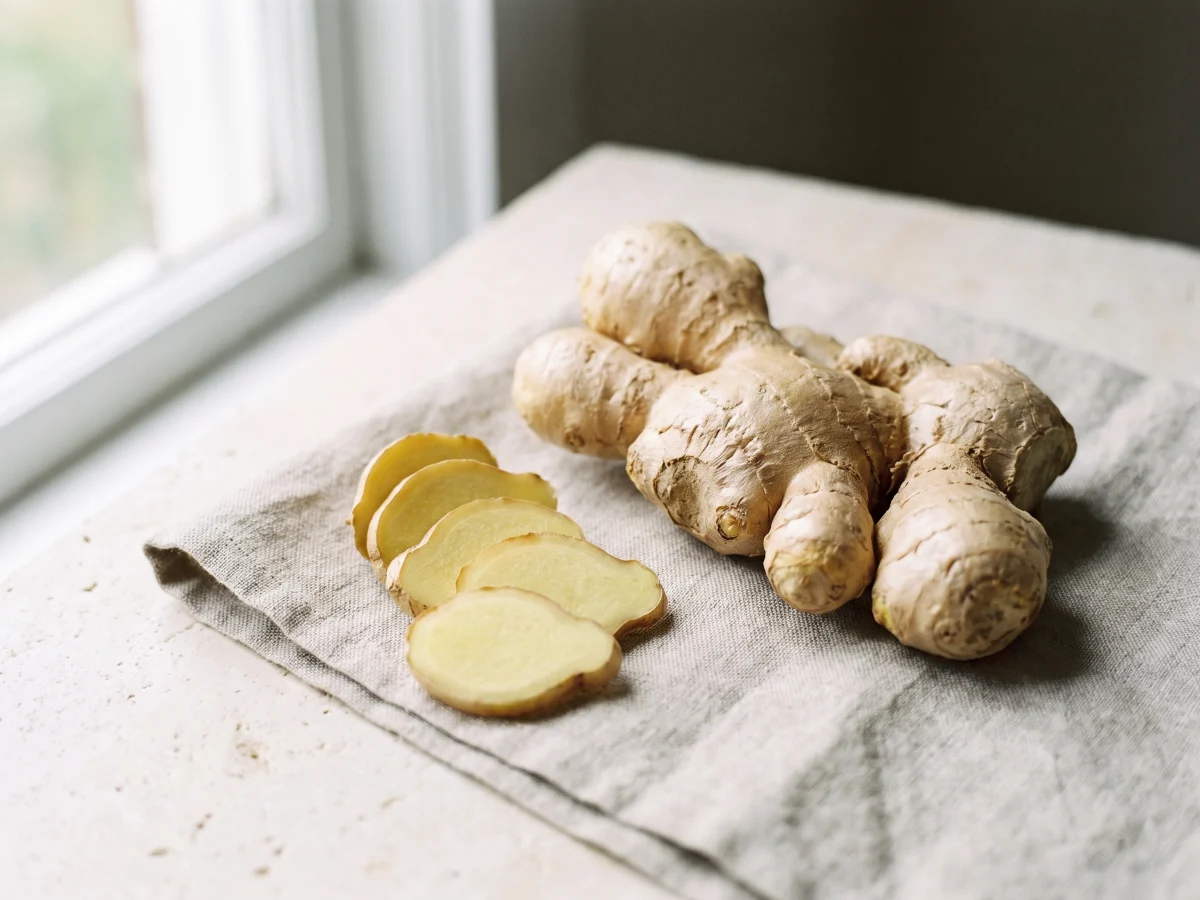
A warming, pungent rhizome and one of the oldest traded spices. In addition, it is a classic traditional digestive herb.

Traditional use. Ginger appears in traditional Chinese, Ayurvedic and European herbal practice, most often as a warming herb for the stomach and digestion. In addition, it is a staple of Caribbean drinks and bitters.

What is established. Ginger is a common food and spice. However, in larger supplemental amounts it may interact with blood thinners, so check with a healthcare professional if you take medication.

Full Ginger profile
Ingredients in ASPHODEL Soursop Bitters: Liquid herbal bitters: soursop, senna, sea moss, turmeric & ginger
18botanicals in one softgel blend
6,600 mgherb equivalent per serving, as stated on the supplier's label
3classic botanicals at its core: wormwood, black walnut hull & clove
0invented reviews or miracle claims. Ever.

The formula

Botanical Complex, by the numbers.

A traditional cleanse-style blend built around three classic botanicals, presented with the details on the label rather than in marketing.

Discover the formula

Supplements you can actually read.

Label details from verified supplier documents
Premium botanical ingredients
Tradition and evidence kept clearly apart
Secure checkout
ASPHODEL Botanical Complex bottle on dark stone with wormwood, clove and black walnut

Featured formula

A Modern Expression of Traditional Botanicals.

Explore a carefully presented botanical blend featuring familiar ingredients from longstanding herbal traditions.

Original price was: $39.99.Current price is: $29.90. / Month Format and serving details published from verified supplier documentation.

Everyday rituals

Botanicals, woven into the day

Simple moments with ASPHODEL, from the first cup of the morning to a quiet evening.

Shop the collection
A person holding an ASPHODEL jar beside a morning cup of tea by a sunlit window
A morning ritual
A person at a tidy desk with an ASPHODEL bottle beside a notebook
At the desk
Hands opening an ASPHODEL jar on a kitchen counter with fresh botanicals
In the kitchen
A person relaxing in the evening with an ASPHODEL jar and a warm drink
An evening wind-down

Questions

FAQs

What is ASPHODEL Botanical Complex?

An 18-in-1 softgel blend built around wormwood, black walnut hull and clove, with pumpkin seed, garlic and oregano. The complete ingredient list and Supplement Facts are published on the product page from the supplier's verified label.

What makes ASPHODEL different?

We publish what is in each product, which part of the plant is used, and where the information comes from. We keep traditional use, early research and established findings clearly apart, and we never publish invented reviews or miracle claims.

How quickly will I notice a difference?

Everyone is different, and we don't promise results. Botanicals are traditionally taken consistently as part of a daily routine. Always follow the directions on the label.

Who should check with a doctor first?

Anyone who is pregnant or nursing, under 18, taking medication (garlic, for example, may interact with blood thinners), or managing a health condition should speak with a qualified healthcare professional before use. Read the warnings on the label.

Can I take it with other supplements?

Many people do, but combinations depend on you. If you take medication or other supplements, check with a healthcare professional first.

Is it backed by research?

Each botanical has a long history of traditional use, and several are the subject of ongoing research, much of it still preliminary. Our ingredient pages and Botanical Journal explain what is known and what is not.

How do subscriptions work?

Choose a package, subscribe, and it renews monthly at the package price until you cancel. You can cancel anytime from My Account.

*These statements have not been evaluated by the Food and Drug Administration. This product is not intended to diagnose, treat, cure, or prevent any disease.

A smiling woman holding a pouch of ASPHODEL Botanical Complex

Newsletter

Join the ASPHODEL Community

Botanical insights, new collections, and exclusive offers delivered occasionally.