Nutrition
Beetroot and Its Nutritional Composition
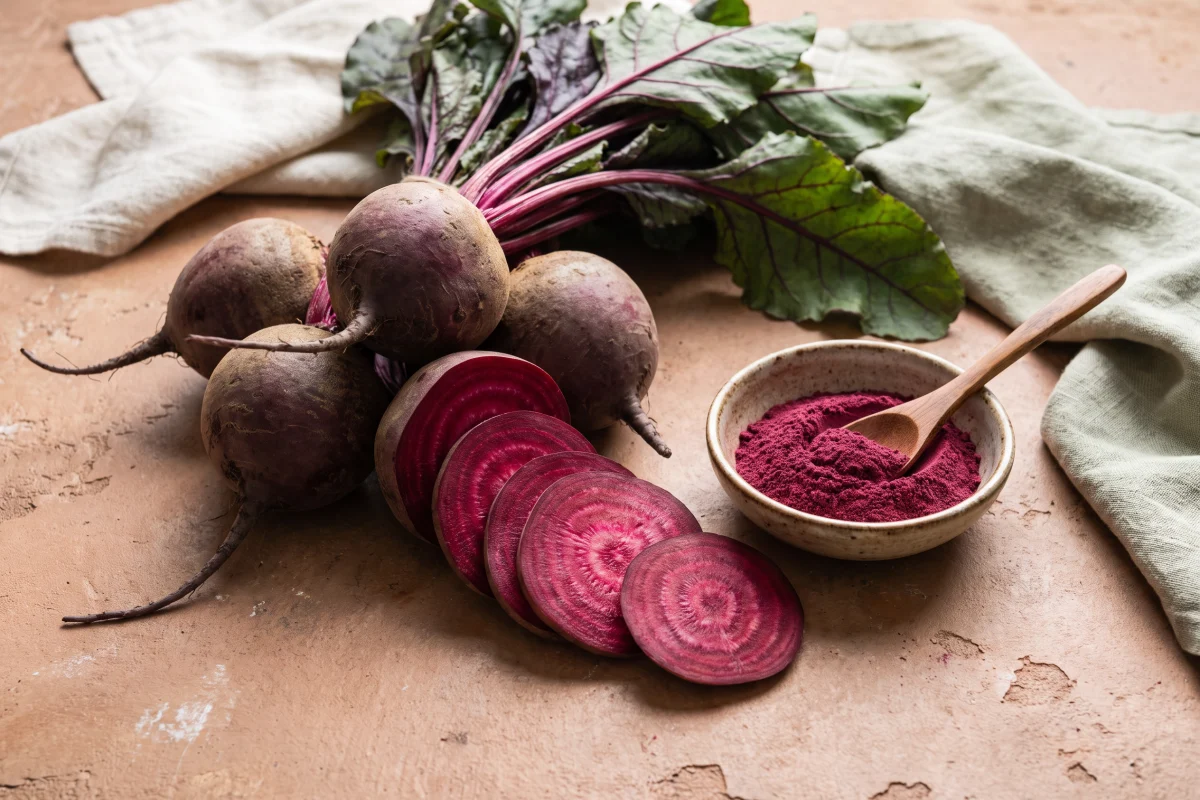
Beetroot nutrition is simpler than it looks. Beetroot (Beta vulgaris) is the swollen taproot of a plant cultivated since antiquity from wild sea beet that grows along Mediterranean coasts.
Where the colour comes from
The deep crimson of beetroot comes from betalains, a class of pigments found in relatively few food plants. They are also why beetroot has long been used as a natural food colourant.
Dietary nitrate
Beetroot is a notable dietary source of nitrate, which is why it features so often in nutrition and exercise research. Beetroot also provides folate, potassium, and fibre in its whole-food form. The amounts in any supplement depend on its format and preparation.
A harmless side note
Eating beetroot can temporarily turn urine or stools pink or red, a well-known and generally harmless effect called beeturia.
Fresh beetroot, juice and powder
Beetroot nutrition varies with the form you choose. Whole roasted beets keep their fibre. Juice concentrates the sugars and nitrate but removes much of the fibre. Dried beetroot powder is convenient and keeps well, but its nitrate content depends on how the beets were grown and processed. Labels should state the amount per serving rather than leaving it to guesswork.
Beet greens
The leaves are edible too. Beet greens are closely related to chard and can be cooked the same way, which makes the whole plant useful in the kitchen.
As with any ingredient, the best beetroot product is one that tells you clearly what it contains.
Reading a beetroot label
When you compare beetroot products, check the form (juice, powder, capsule or gummy), the amount of beetroot per serving, and whether added sugars or flavourings are included. Those details tell you far more about beetroot nutrition than the colour of the packaging.
Whole, juiced or powdered, beetroot remains one of the simplest and most colourful ways to bring a root vegetable into the day.
Explore the related ASPHODEL products: ASPHODEL Beetroot. You can also browse every ingredient in our library. For the botanical details, see the full ingredient profile.
Further reading: Beetroot (Wikipedia)
This article is for general education and is not medical advice. It does not describe the effects of any ASPHODEL product.
From the collection
Products mentioned
Keep reading
More from the Journal
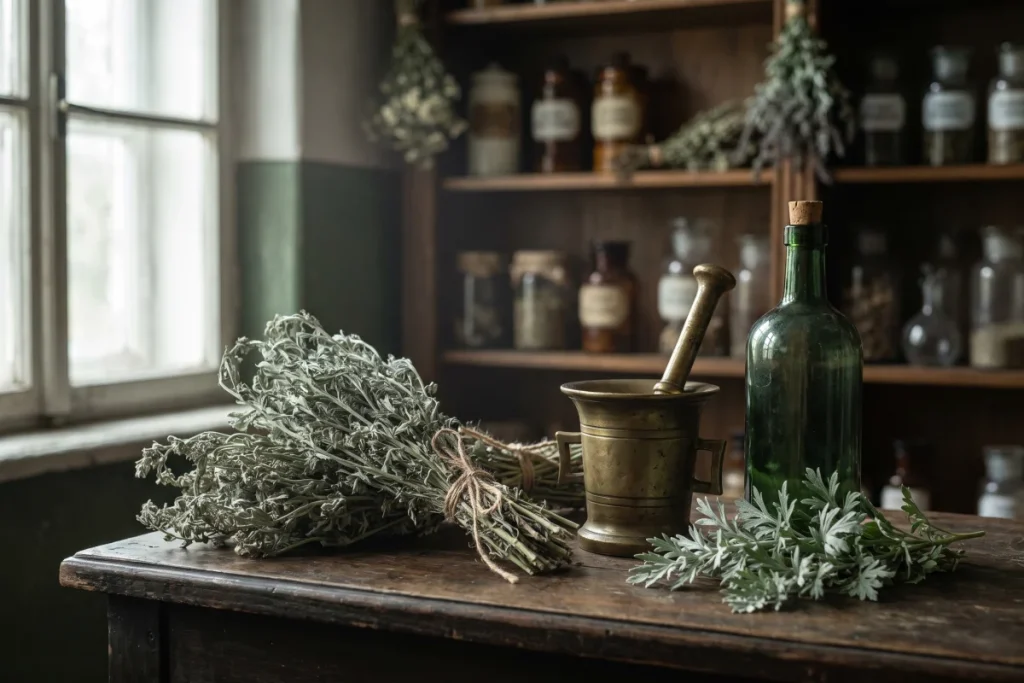
What Is Wormwood? Botanical History and Traditional Uses
From European apothecaries to the history of absinthe, a clear-eyed look at one of the most bitter plants in botanical history.
Read Article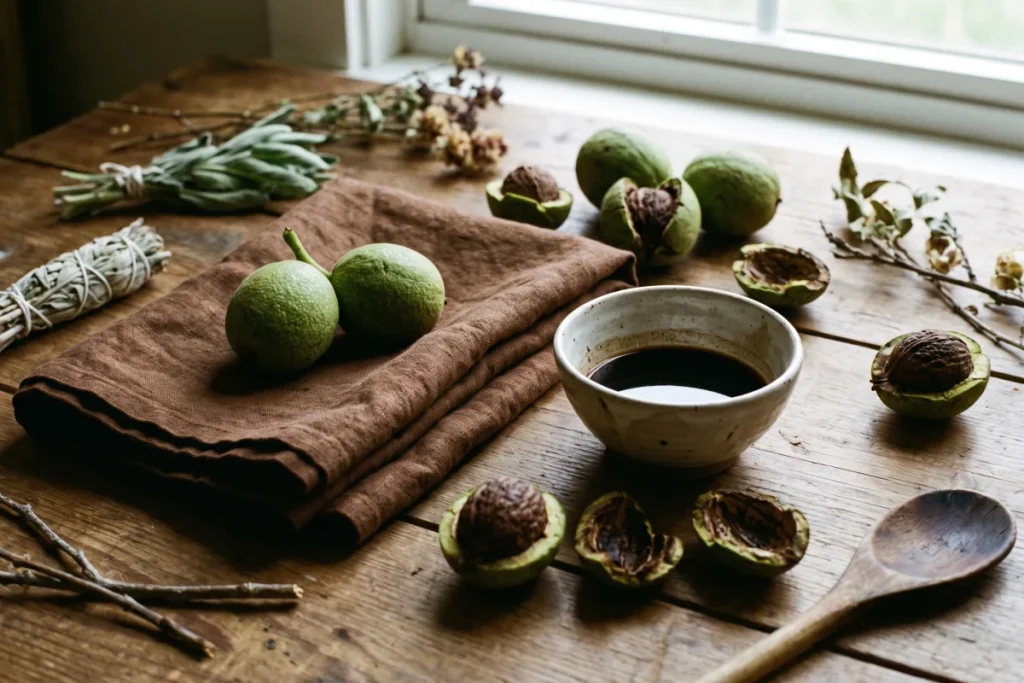
Black Walnut Hull: History and Botanical Characteristics
The green husk of a native North American hardwood, its dye-making past, and the compound that shapes the ground beneath it.
Read Article
Lion’s Mane: Understanding the Mushroom
Spines instead of gills, fruiting body versus mycelium, and what current research does and does not tell us.
Read Article