Botanicals
What Is Wormwood? Botanical History and Traditional Uses
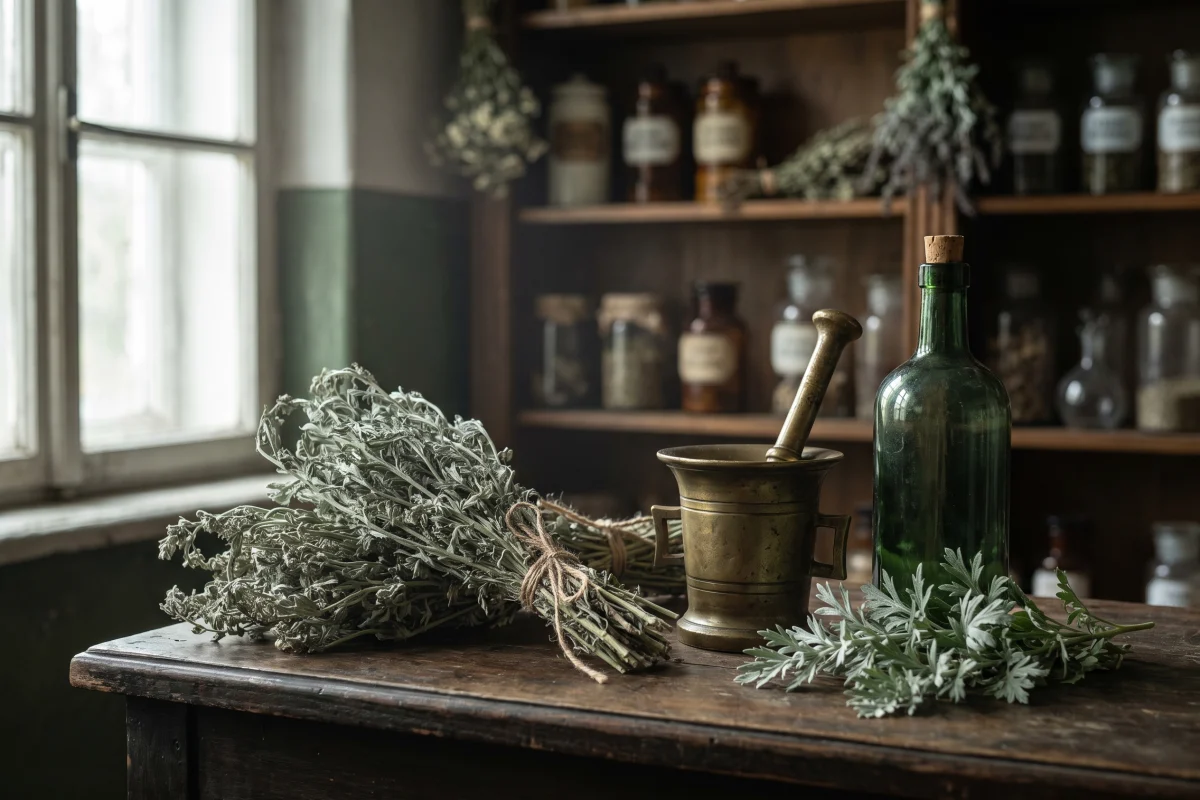
Few plants have a reputation as colourful as wormwood. A silvery, feathery perennial native to temperate Europe, Asia, and North Africa, Artemisia absinthium has been grown in physic gardens, written into herbals, and steeped into spirits for centuries.
What is wormwood? A plant defined by bitterness
Wormwood is one of the most bitter plants known. Its bitterness comes from sesquiterpene lactones such as absinthin, and that quality is the key to most of its history. In European herbal traditions, bitters were taken in small amounts before meals, and wormwood was among the best known.
From vermouth to absinthe
The word vermouth comes from the German Wermut, meaning wormwood, and the plant was a classic flavouring in aromatised wines. It is best remembered as the namesake botanical of absinthe, the high-proof spirit that became a symbol of nineteenth-century Paris.
Thujone and regulation
Wormwood contains thujone, an aromatic compound whose levels in food and drink are regulated in several jurisdictions. It is one reason wormwood is treated with respect: it is not considered appropriate during pregnancy, and quality products should be transparent about how the botanical is prepared.
Reading the evidence carefully
Much of what is said about wormwood online goes well beyond the evidence. Traditional use tells us how people have used a plant; it does not establish that the plant treats any condition. Laboratory studies of individual compounds are a starting point, not a conclusion. At ASPHODEL, we present wormwood for what it is: a botanical with a remarkable history.
How wormwood is used today
Today wormwood is still grown in herb gardens and used as a flavouring in some spirits and bitters, where thujone levels are controlled. In botanical products it is usually supplied as dried leaves and flowering tops, powdered or extracted. When you read a label, look for the plant’s scientific name, Artemisia absinthium, and the part of the plant used.
Explore the related ASPHODEL products: ASPHODEL Botanical Complex. You can also browse every ingredient in our library. For the botanical details, see the full ingredient profile.
Further reading: Artemisia absinthium (Wikipedia)
This article is for general education and is not medical advice. It does not describe the effects of any ASPHODEL product.
From the collection
Products mentioned
-
Traditional Botanicals
Botanical Complex
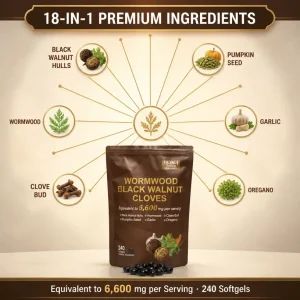
18-in-1 blend: wormwood, black walnut hull & clove
Original price was: $39.99.$29.90Current price is: $29.90. / Month Add to cart
Keep reading
More from the Journal
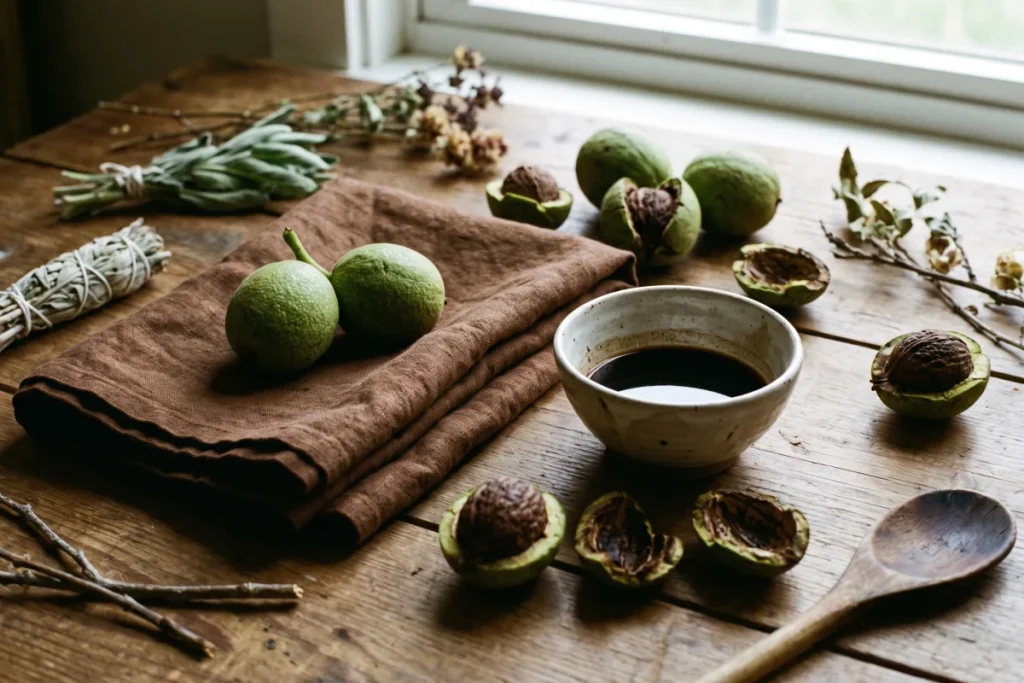
Black Walnut Hull: History and Botanical Characteristics
The green husk of a native North American hardwood, its dye-making past, and the compound that shapes the ground beneath it.
Read Article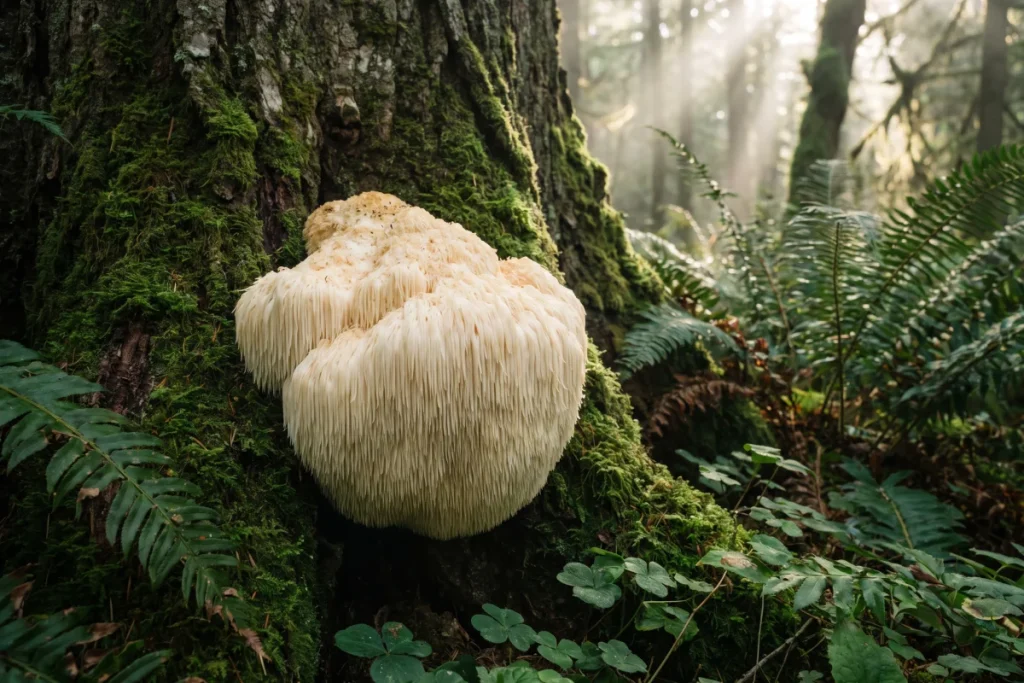
Lion’s Mane: Understanding the Mushroom
Spines instead of gills, fruiting body versus mycelium, and what current research does and does not tell us.
Read Article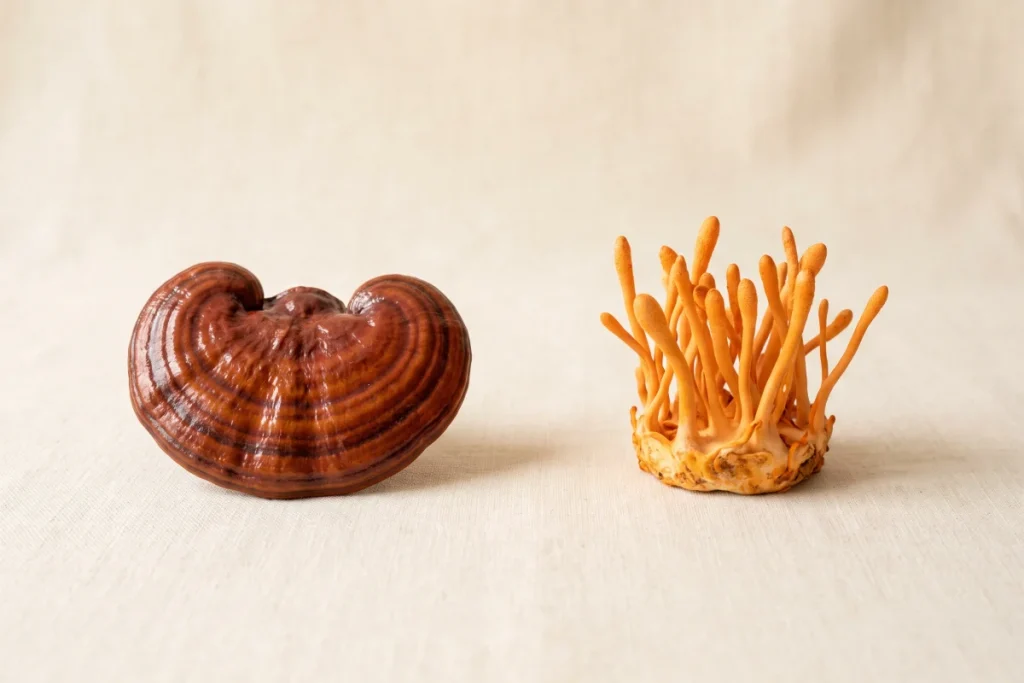
Reishi vs. Cordyceps: What Makes Them Different?
Two celebrated mushrooms, two very different organisms. How they grow, how they're prepared, and why species matters.
Read Article