Botanicals
Black Walnut Hull: History and Botanical Characteristics
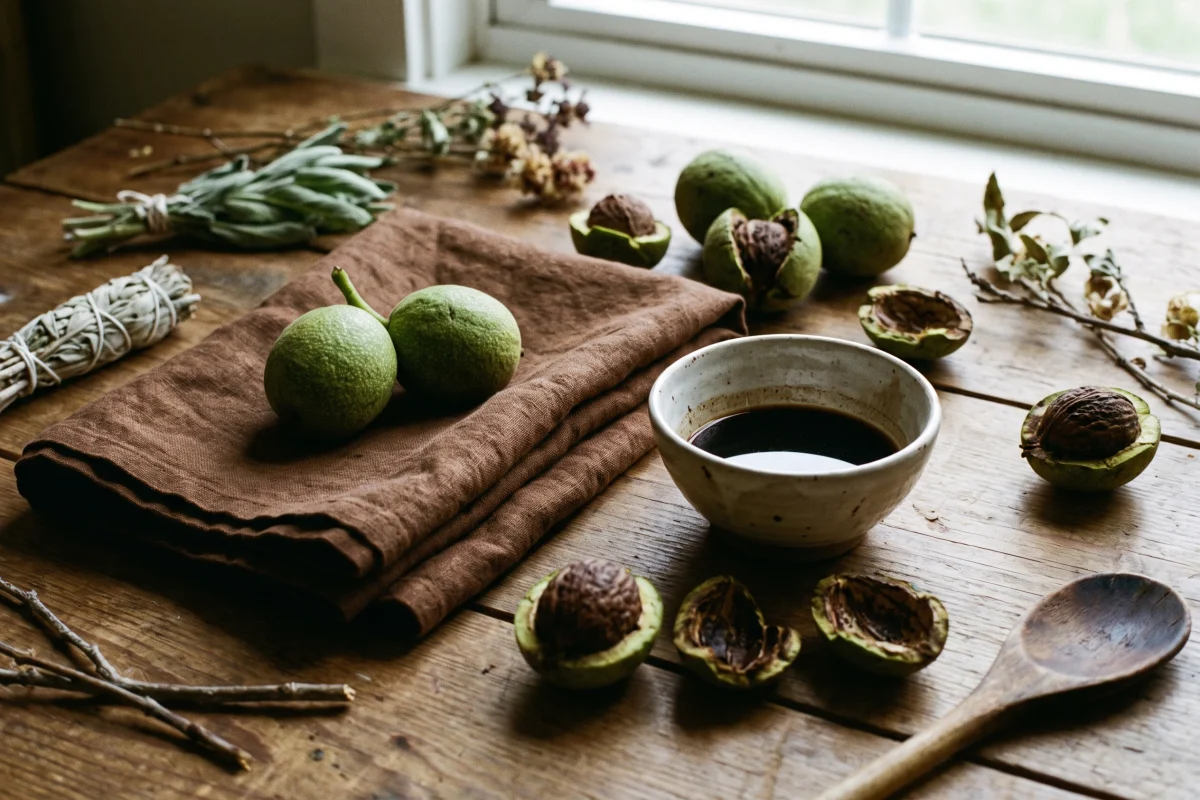
Black walnut hull comes from one of the great hardwoods of eastern North America. People prize black walnut (Juglans nigra) for its dark timber and rich, hard-shelled nuts. Each nut ripens inside a thick green hull, and that hull is the part botanical products use.
A natural dye
Black walnut hulls are rich in tannins, so they stain anything they touch a deep brown. As a result, people used them as a traditional dye for cloth, wood and hair. In fact, anyone who has gathered walnuts barehanded knows how long the colour lasts.
Juglone and the walnut’s ‘territory’
Gardeners have long noticed that many plants struggle near black walnut trees. The cause is juglone, a compound in the roots, leaves and hulls. Juglone suppresses the growth of many neighbouring species. Horticulturists call this effect allelopathy, and they have documented it well.
Black walnut hull in folk herbalism
Black walnut hull appears in North American folk herbalism, and it remains a familiar botanical ingredient today. However, as with any traditional botanical, historical use is a record of practice rather than proof of effect. For that reason, we present it as history.
Hull, shell and kernel
A black walnut has three layers: the green outer hull, the hard dark shell and the edible kernel. Botanical products use the hull, which producers usually harvest green and then dry. In other words, it is a very different material from the nut you would eat. Therefore, a good label states clearly which part it uses.
Growing black walnut
Black walnut is a slow-growing tree that can live for well over a century. It prefers deep, fertile soils. Many woodworkers consider it one of the most beautiful North American timbers. For this reason, people often plant black walnut trees with future generations in mind.
Finally, botanical blends often pair black walnut hull with herbs like wormwood and clove. So it helps to know a little about each ingredient on its own before you read the label of a combined formula.
Explore the related ASPHODEL products: ASPHODEL Botanical Complex. You can also browse every ingredient in our library. For the botanical details, see the full ingredient profile.
Further reading: Juglans nigra (Wikipedia)
This article is for general education and is not medical advice. It does not describe the effects of any ASPHODEL product.
From the collection
Products mentioned
-
Traditional Botanicals
Botanical Complex
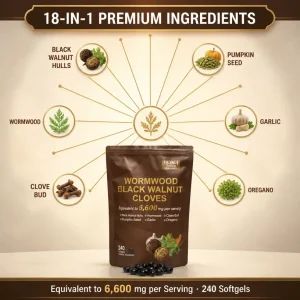
18-in-1 blend: wormwood, black walnut hull & clove
Original price was: $39.99.$29.90Current price is: $29.90. / Month Add to cart
Keep reading
More from the Journal
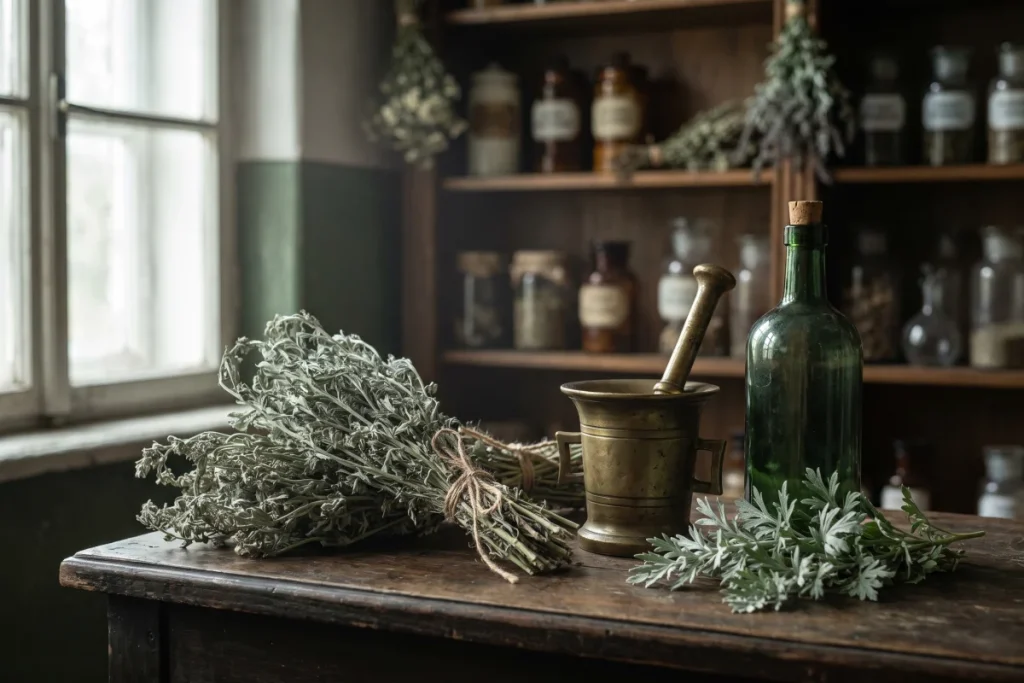
What Is Wormwood? Botanical History and Traditional Uses
From European apothecaries to the history of absinthe, a clear-eyed look at one of the most bitter plants in botanical history.
Read Article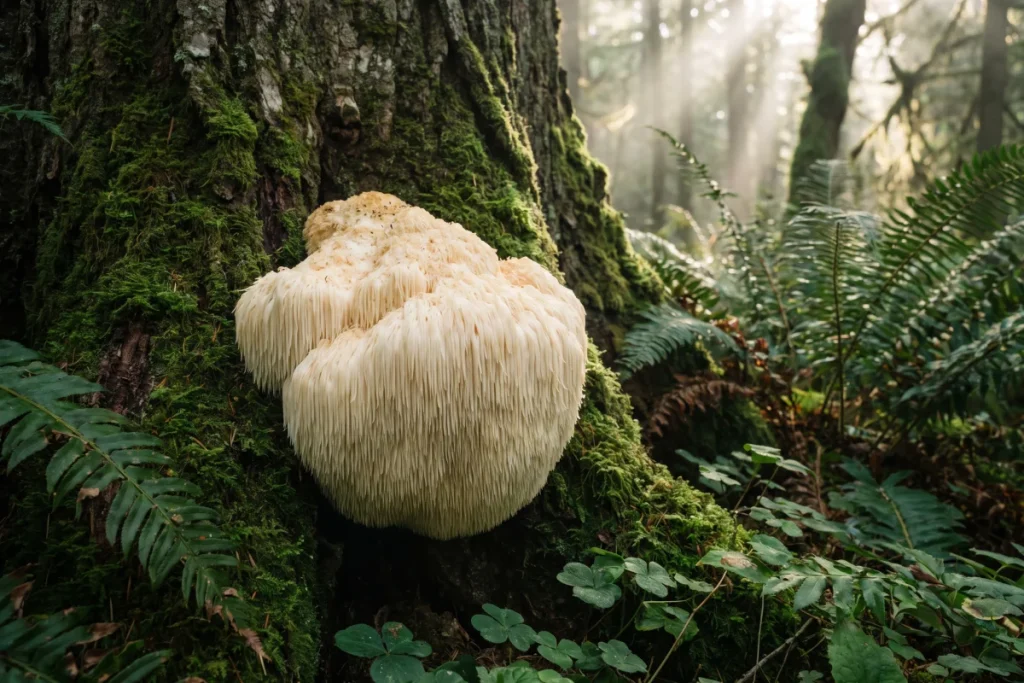
Lion’s Mane: Understanding the Mushroom
Spines instead of gills, fruiting body versus mycelium, and what current research does and does not tell us.
Read Article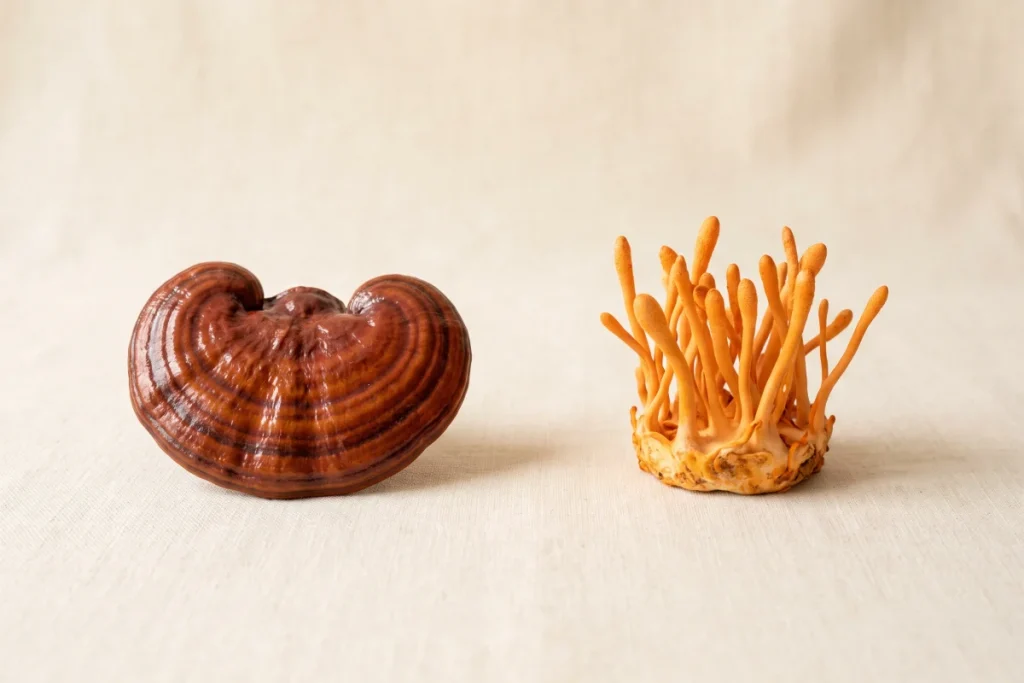
Reishi vs. Cordyceps: What Makes Them Different?
Two celebrated mushrooms, two very different organisms. How they grow, how they're prepared, and why species matters.
Read Article