Mushrooms
Lion’s Mane: Understanding the Mushroom
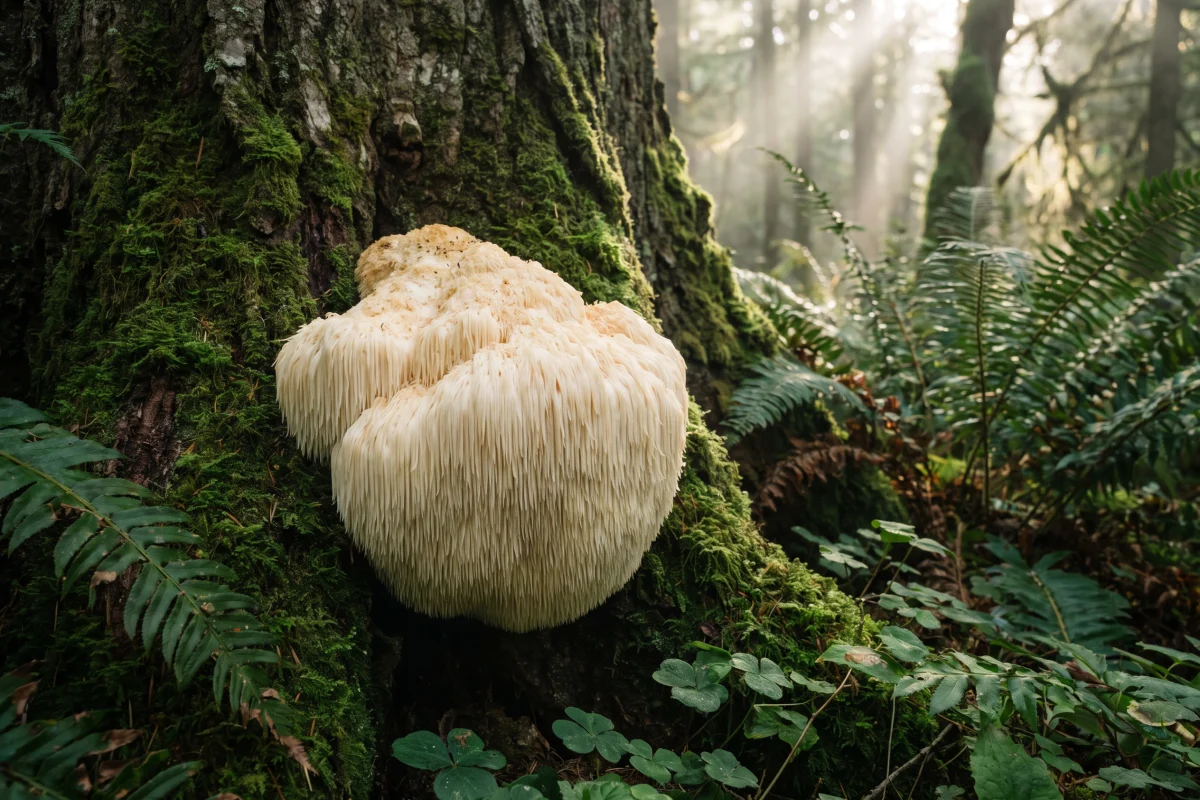
The lion’s mane mushroom (Hericium erinaceus) looks unlike almost any other mushroom. Instead of a cap with gills underneath, it forms a single rounded mass of soft, cascading spines, which is where names like ‘bearded tooth’ and ‘pom pom mushroom’ come from.
Where it grows
In the wild, lion’s mane grows on hardwood trees, often oak and beech, across the Northern Hemisphere. Today it is widely cultivated, and it is valued in East Asian cooking for its delicate texture.
Fruiting body and mycelium
A mushroom has two main parts. The fruiting body is the visible mushroom; the mycelium is the network of fine threads it grows from. For lion’s mane the distinction matters, because the compounds researchers study are found in different places: hericenones mainly in the fruiting body and erinacines mainly in the mycelium. A good product label tells you which part is used.
What the research says, and doesn’t
Lion’s mane is one of the most researched functional mushrooms, but most of that research is preliminary: cell studies, animal studies, and a small number of short human trials. These findings are interesting, but they are not the same as established effects, and we won’t describe them that way.
Choosing a lion’s mane supplement
Look for clear information on the species, the part of the mushroom used, the extraction method, and the amount per serving, all drawn from the supplier’s documentation. That is the standard we hold ASPHODEL Lion’s Mane to.
Cooking with lion’s mane
Fresh lion’s mane is mild, slightly sweet and tender, and it is often pan-seared until golden. Its texture is frequently compared to crab or lobster, which has made it a favourite of chefs and home cooks.
Because the lion’s mane mushroom is so distinctive, it is also one of the easier species to recognise in the wild, although foraging should always be done with an expert’s guidance. Its spines start pure white and slowly turn yellowish as the mushroom ages.
Explore the related ASPHODEL products: ASPHODEL Lion’s Mane. You can also browse every ingredient in our library. For the botanical details, see the full ingredient profile.
Further reading: Hericium erinaceus (Wikipedia)
This article is for general education and is not medical advice. It does not describe the effects of any ASPHODEL product.
From the collection
Products mentioned
Keep reading
More from the Journal
What Is Wormwood? Botanical History and Traditional Uses
From European apothecaries to the history of absinthe, a clear-eyed look at one of the most bitter plants in botanical history.
Read Article
Black Walnut Hull: History and Botanical Characteristics
The green husk of a native North American hardwood, its dye-making past, and the compound that shapes the ground beneath it.
Read Article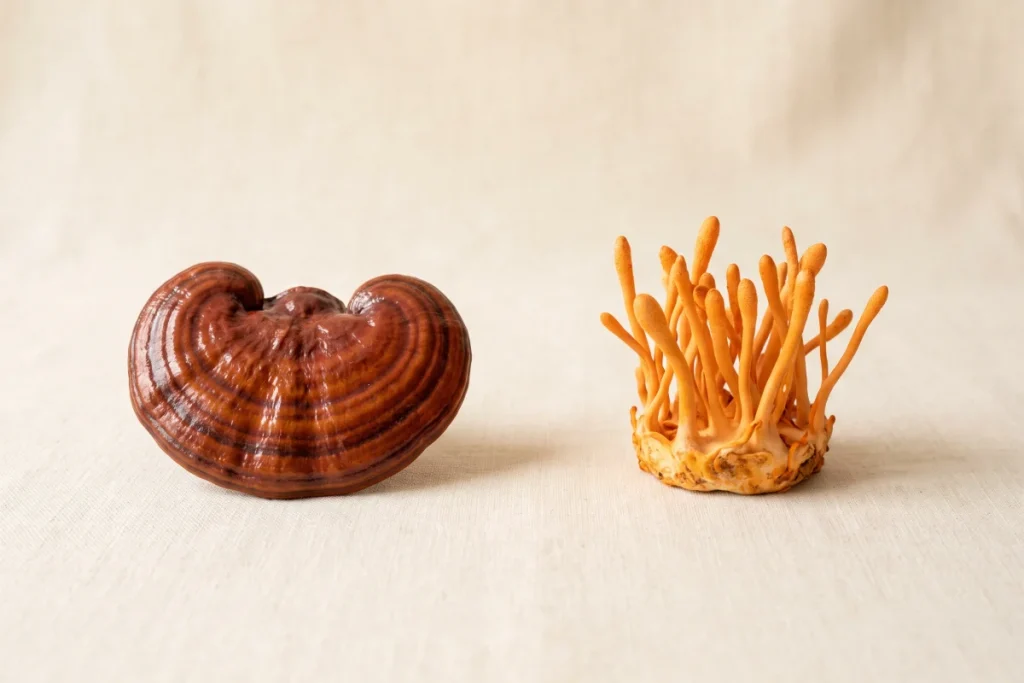
Reishi vs. Cordyceps: What Makes Them Different?
Two celebrated mushrooms, two very different organisms. How they grow, how they're prepared, and why species matters.
Read Article