Guides
What to Look for in a Mushroom Supplement
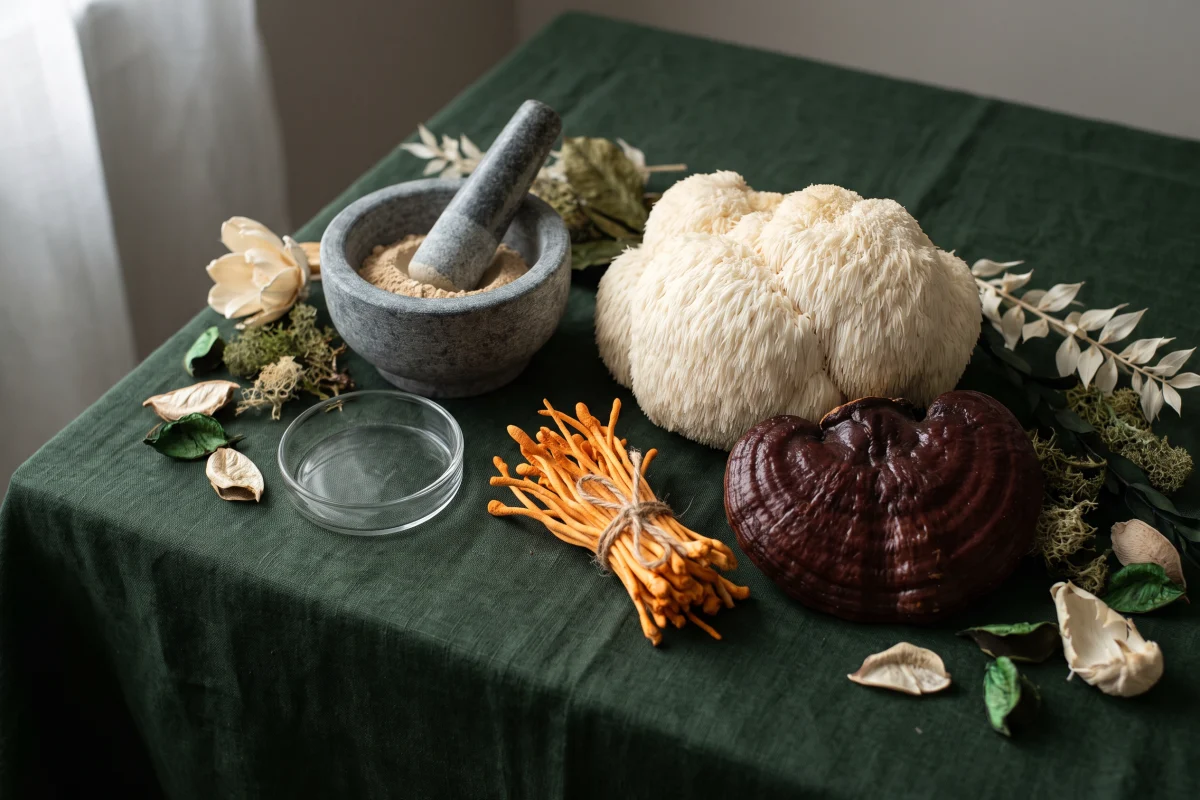
Choosing a mushroom supplement is harder than it should be: products vary widely, and labels do not always make the differences easy to see. Here is a practical checklist.
1. The exact species
Common names can cover more than one organism. ‘Reishi‘ may refer to several Ganoderma species, and ‘cordyceps‘ to several fungi. Look for a scientific name.
2. Fruiting body, mycelium, or both
The fruiting body is the mushroom itself; the mycelium is the root-like network it grows from. Products grown on grain may contain mycelium along with the grain it was grown on. Neither is automatically better, but the label should say which you are getting.
3. Extract or whole powder
Many compounds of interest are bound in tough cell walls, so many products use hot-water or dual extraction. If an extract ratio is given, it should be explained.
4. Verified documentation
A trustworthy brand can show where its claims come from. Supplement Facts should come from verified label data, and any quality testing should be documented rather than simply asserted.
5. Honest language
Be wary of any mushroom product that promises to cure, treat, or prevent disease. Responsible brands distinguish between traditional use, preliminary research, and established findings, and so do we.
6. Format and serving
Mushroom supplements come as capsules, powders, tinctures and gummies. Each format changes the amount per serving and what else is in the product, so compare the amount of mushroom material per serving rather than the number of capsules or scoops.
Taken together, these questions help you compare mushroom supplements on substance rather than marketing.
If a brand cannot answer these questions about its mushroom supplement, that is useful information too. Clear species names, honest descriptions of the part used, and documentation you can check are signs of a company that takes the details seriously.
Explore the related ASPHODEL products: ASPHODEL Lion’s Mane, ASPHODEL Reishi, ASPHODEL Cordyceps. You can also browse every ingredient in our library.
Further reading: Dietary supplements: what you need to know (FDA)
This article is for general education and is not medical advice. It does not describe the effects of any ASPHODEL product.
From the collection
Products mentioned
Keep reading
More from the Journal
What Is Wormwood? Botanical History and Traditional Uses
From European apothecaries to the history of absinthe, a clear-eyed look at one of the most bitter plants in botanical history.
Read Article
Black Walnut Hull: History and Botanical Characteristics
The green husk of a native North American hardwood, its dye-making past, and the compound that shapes the ground beneath it.
Read Article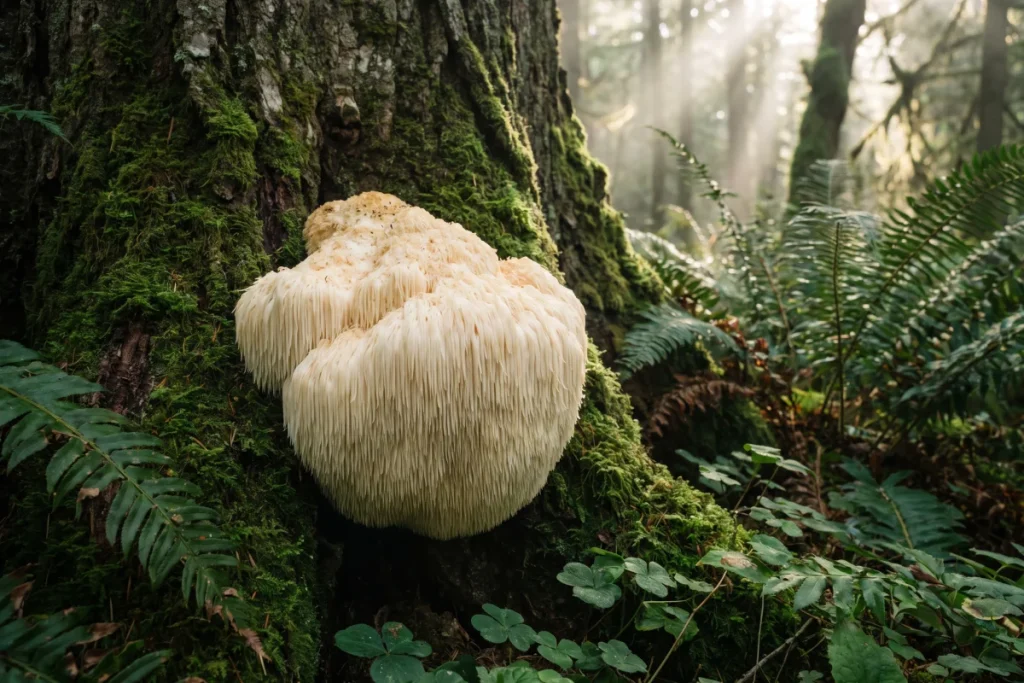
Lion’s Mane: Understanding the Mushroom
Spines instead of gills, fruiting body versus mycelium, and what current research does and does not tell us.
Read Article